
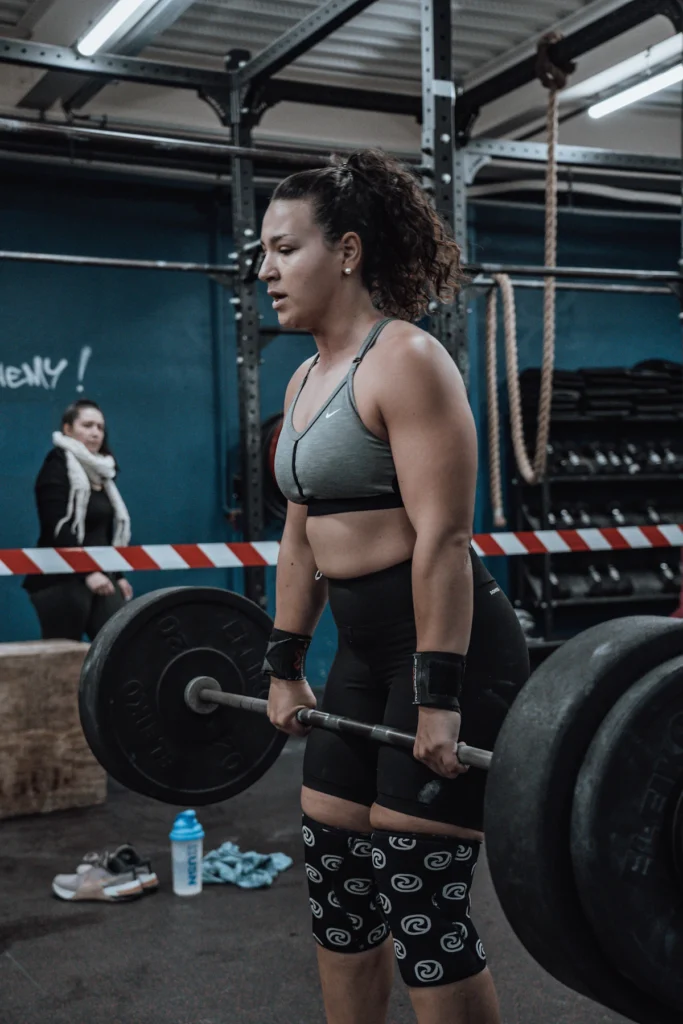
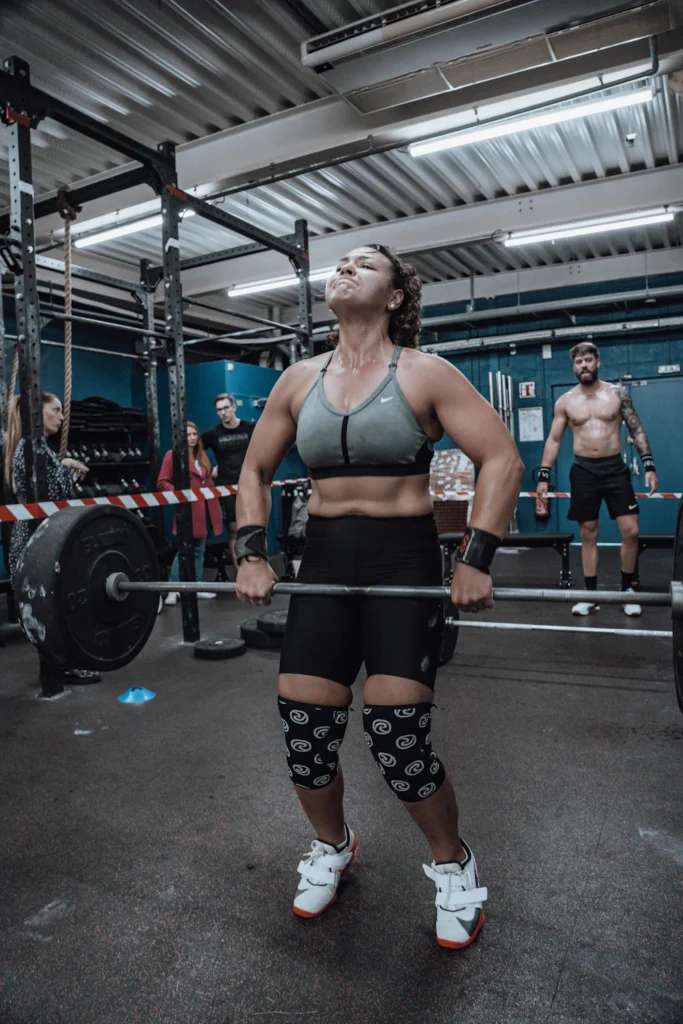

Our 7mm knee sleeves are made from thick neoprene in the Oath and Oak Global factory for brands whose customers squat heavy, train for strength and want firm compression.
This is the thickest common sleeve, giving the most compression, warmth and joint support, with a small rebound out of the bottom of a squat.
That firmness restricts movement more than thinner sleeves, so the thick build suits heavy squat days and strength training rather than conditioning workouts.
| Specification | Options |
|---|---|
| Thickness | 7mm neoprene |
| Neoprene | CR or SCR neoprene |
| Length | Standard or a 30 cm full-length cut |
| Seams | Glued and stitched, reinforced at both ends |
| Panels | Straight cylinder or V-seam at the back |
| Sizes | XS to XXL, with extended sizes on request |
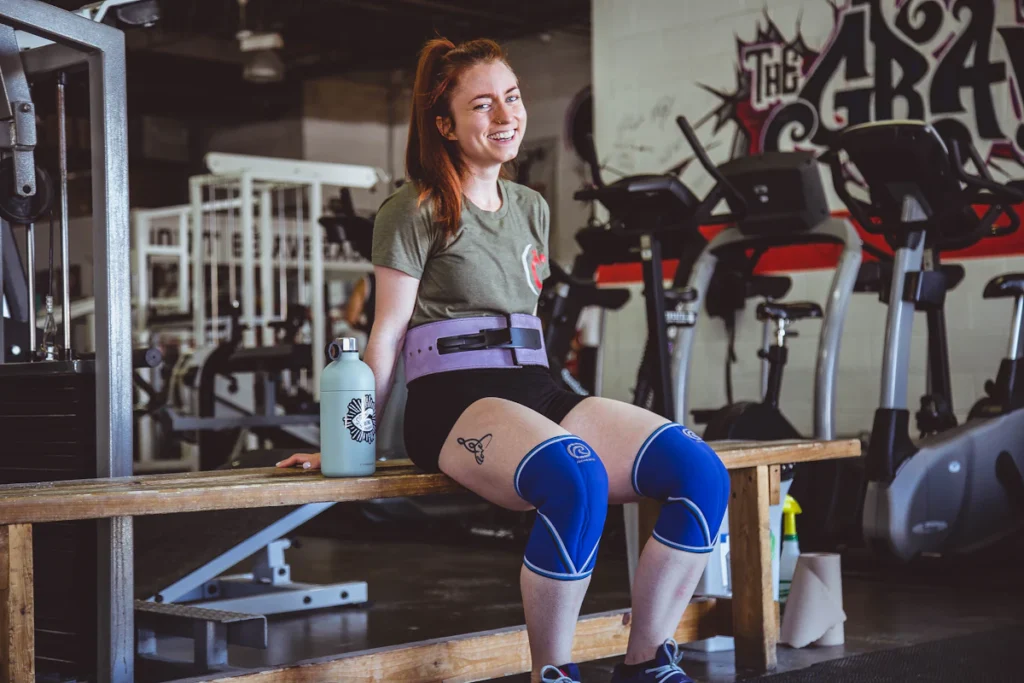
A firm cylinder with side seams for gym customers who want maximum compression on squat days.
A longer cut that covers more of the thigh and calf, a common choice for competitive squatters.
Contrasting front and back panels in brand colors, a strong look for social media and gym shelves.
Larger sizes for heavyweight lifters, who often favor this thickness for the extra support it gives.
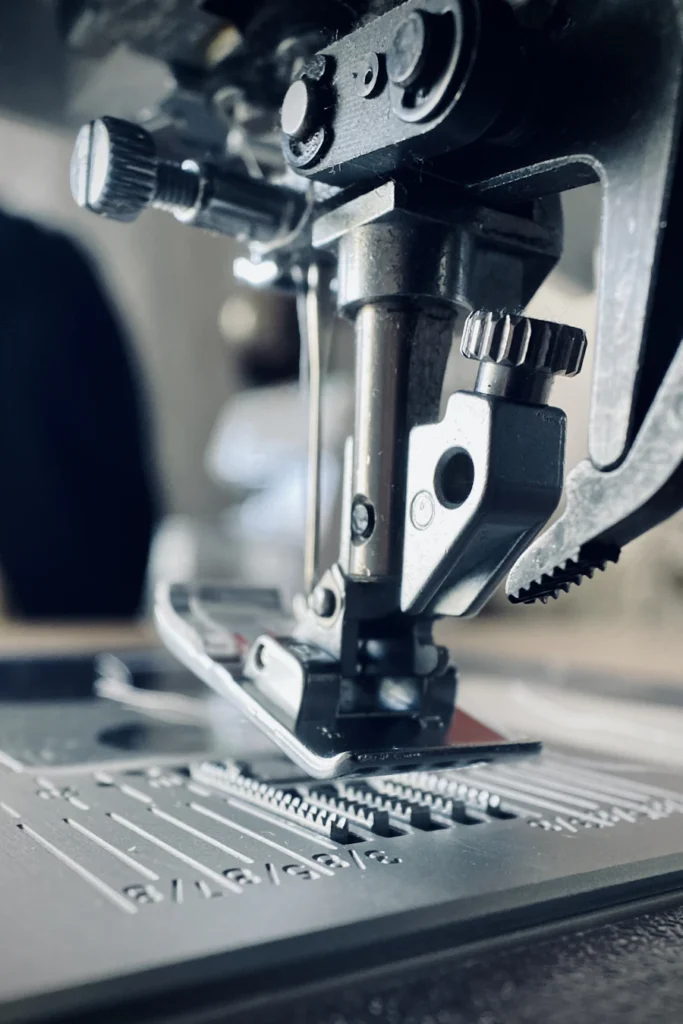
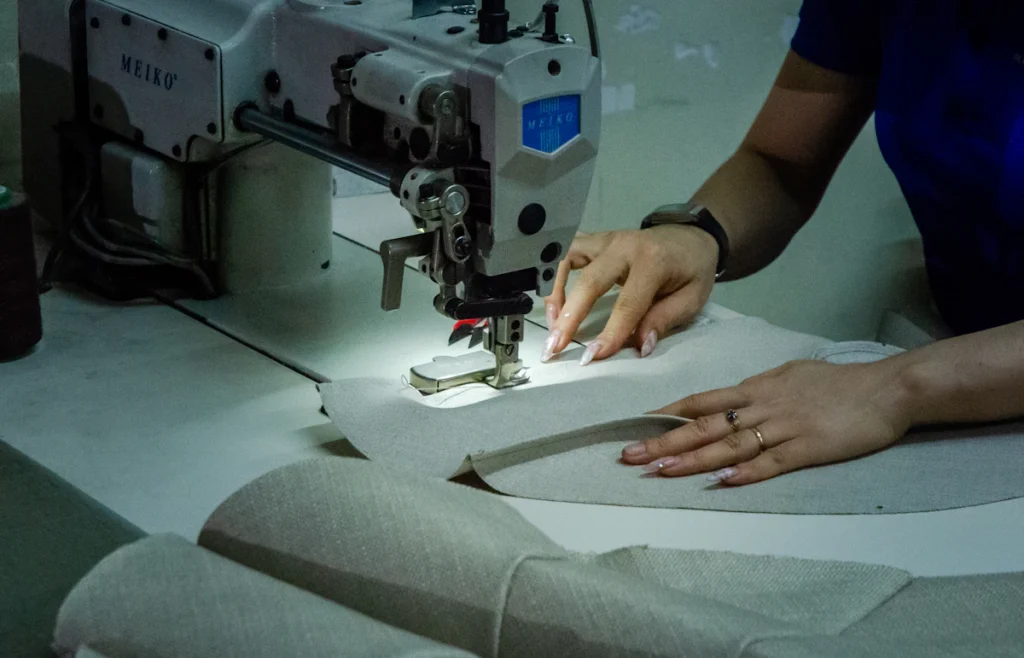
In the Oath and Oak factory, thick neoprene is glued edge to edge and stitched with reinforced seams, because pulling on a tight sleeve puts the most force on the seam ends.
Thick neoprene also holds its shape and is less likely to stretch out than thinner sleeves. Competition dimensions are covered on our powerlifting knee sleeves page.
| Element | Customization Options |
|---|---|
| Logo | Screen print, heat transfer or embossed print |
| Colors | Neoprene and jersey in your palette |
| Binding | Matching or contrast edge tape |
| Inner print | Size and left or right marking |
| Packaging | Pair box with a sizing card |
Labels, inserts and other routes are listed on our customization page.
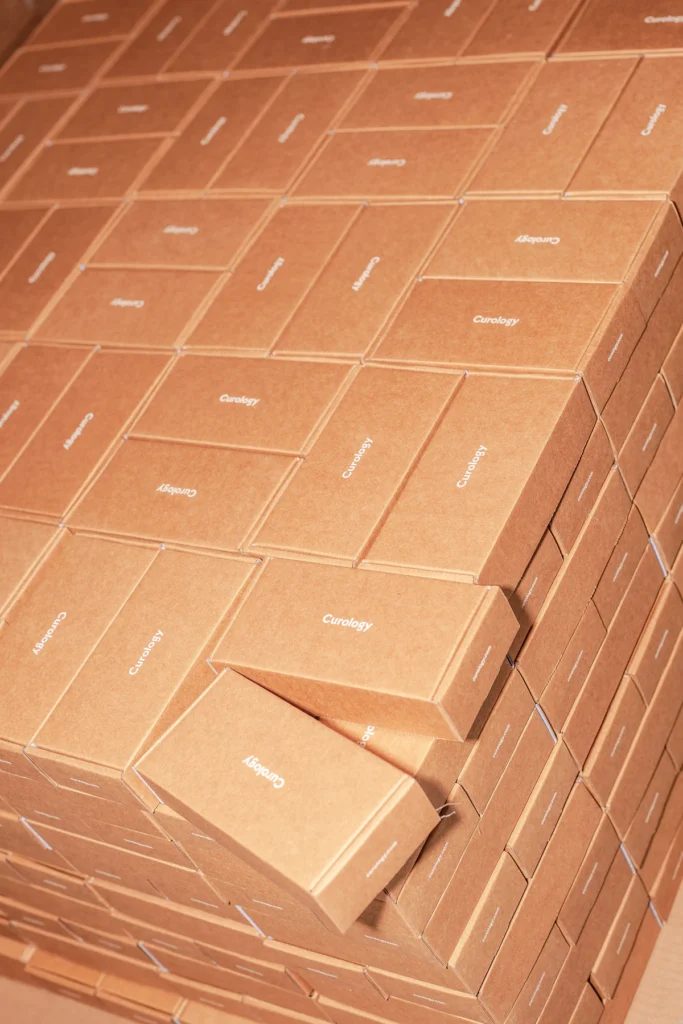
Thick sleeves keep their shape when packed flat in a pair box, which also leaves room for putting-on instructions.
Barcodes for retail or Amazon are applied at packing, and cartons are filled by size to speed up receiving.
Tight sleeves go on easier inside out: pull them to just below the knee, then flip them up over the joint.
Lifters often size down for more compression, but newer customers should start with the recommended size.
Thick sleeves can feel too tight to keep on between sets, so many lifters roll them down to rest.
You test pull-on effort, compression deep in a squat, seam comfort and how the print holds when the sleeve stretches over the knee.
Production follows the approved graded patterns, and every lot is measured against your sample. Any new 7mm design starts with our product development process.
These checks sit within our quality control process for every lot:
Sleeves are neoprene tubes worn through a session, while wraps are long elastic bands wound tightly around the knee for heavy sets.
| Feature | 7mm Sleeves | Knee Wraps |
|---|---|---|
| Support | Compression, warmth and a small rebound | A larger mechanical rebound out of the squat |
| Putting on | Pulled on once | Wound on before each heavy set |
| Session use | Worn throughout training | Used sparingly for the heaviest sets |
| Competition | Allowed in raw divisions | Equipped divisions under IPF rules |
| Squat technique | Little change to form | Can change squat mechanics |
Most brands lead with sleeves and add knee wraps for customers who train or compete equipped.
Oath and Oak confirms MOQ and timing in your quote, based on the neoprene, size spread, printing and packaging.
Share your size split and artwork through the form. Sleeves leave our factory by air or sea freight.
Still have a question?
Send your product details for a quote, or reach Oath and Oak through the contact page.
Some retailers estimate a few kilograms of carryover, but those figures come from sellers rather than controlled studies. Market them for warmth, compression and support instead.
Some weightlifters use them for heavy squats, but many prefer 5mm for cleans and snatches, where the knee needs to move freely through the catch.
Correct sizing is the main fix. A silicone grip line printed inside the upper opening also helps keep the sleeve in position through a set of squats.
Sleeves should feel firm without pinching. Numbness, tingling or constant readjusting are signs the size is too small, and the customer should move up one size.
Yes. Gyms often buy a spread of sizes for members and staff, packed by size with simple labels instead of retail boxes to keep the cost down.