
Our knee wraps are woven and finished in the Oath and Oak Global factory for lifting brands, strongman lines and gyms that sell heavy squat support under their own name.
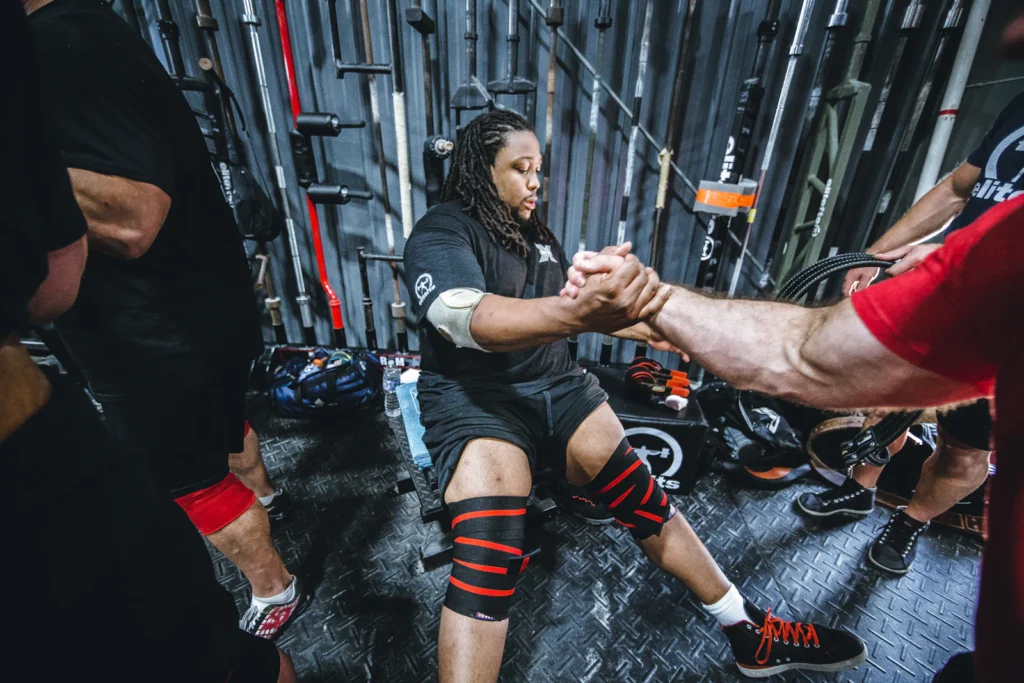
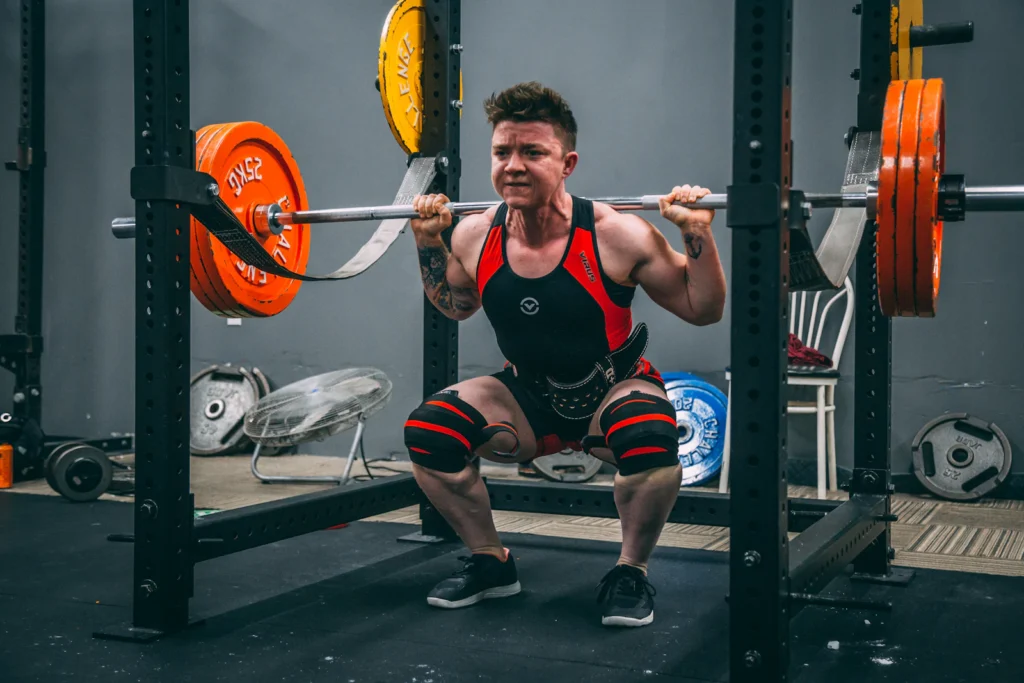
They are long strips of woven elastic wound tightly around the knee before a heavy squat. The wrap stretches as the lifter descends and stores tension that helps on the way up.
Unlike sleeves, they are put on for a few heavy sets and taken off between them, so lifters treat them as competition and max-effort gear.
| Specification | Options |
|---|---|
| Material | Polyester and rubber elastic weave |
| Length | About 72 inches, 78 inches or around 2 meters |
| Width | Around 3 inches |
| Stiffness | Flexible, medium or stiff weave |
| Ends | Velcro tab or plain end for tucking |
| Pack | One pair with an optional pouch |
A softer weave that is easier to wind, suited to newer lifters and lighter training days.
A balanced grade that gives firm rebound without the bite of the stiffest competition wraps.
A dense weave with strong spring for experienced lifters chasing maximum squats.
A longer cut for lifters with bigger legs who want more turns around the joint.
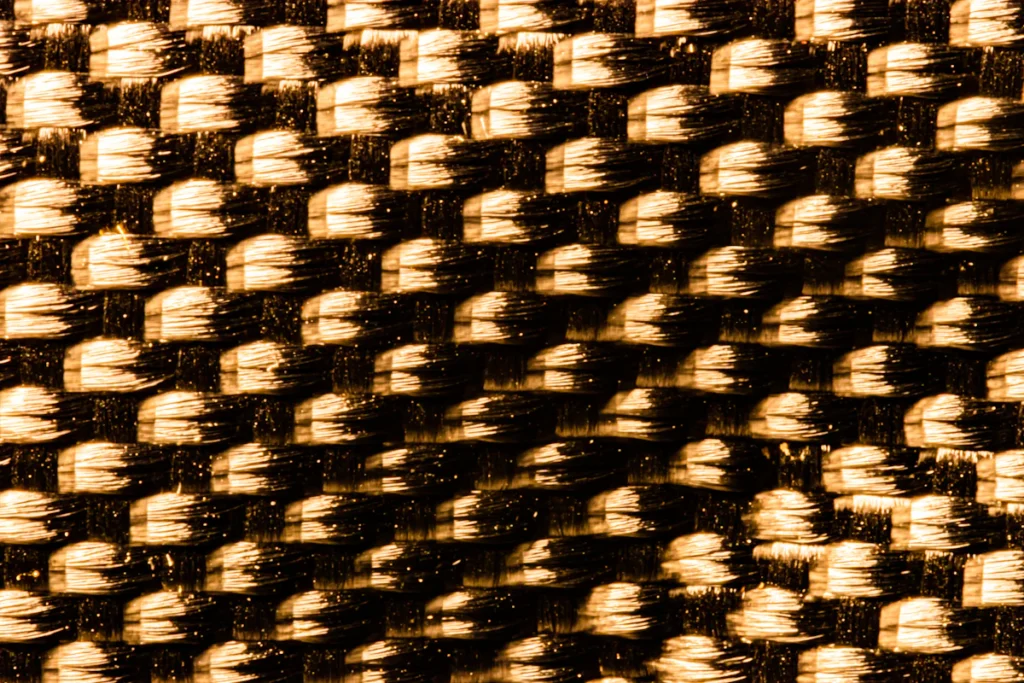
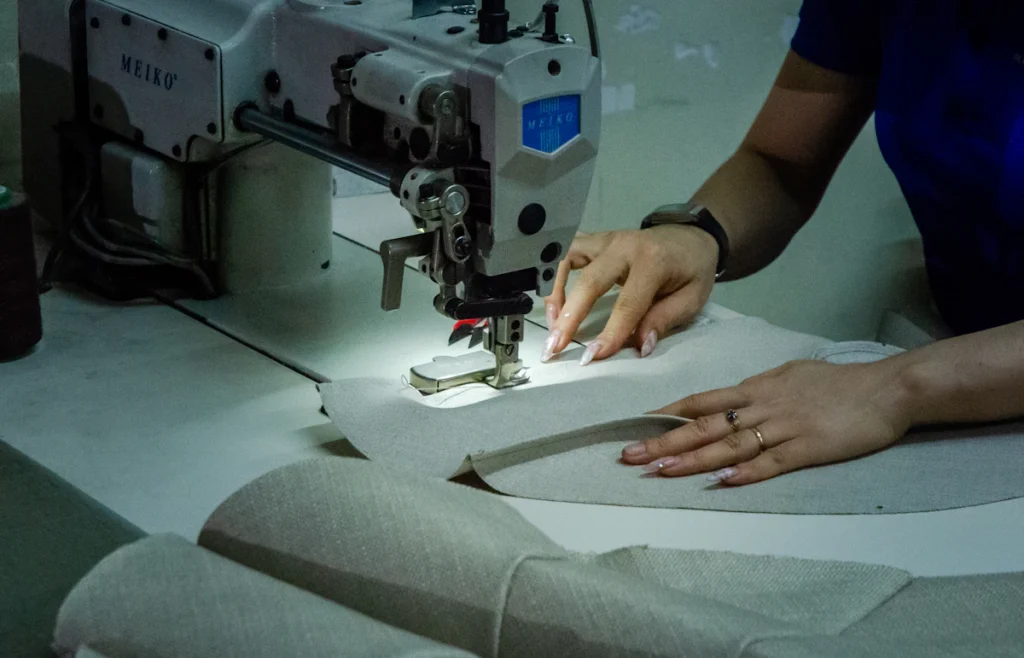
Inside the Oath and Oak workshop, rubber threads are woven with polyester yarn on narrow looms, and the ratio of rubber to yarn sets how stiff the finished wrap feels.
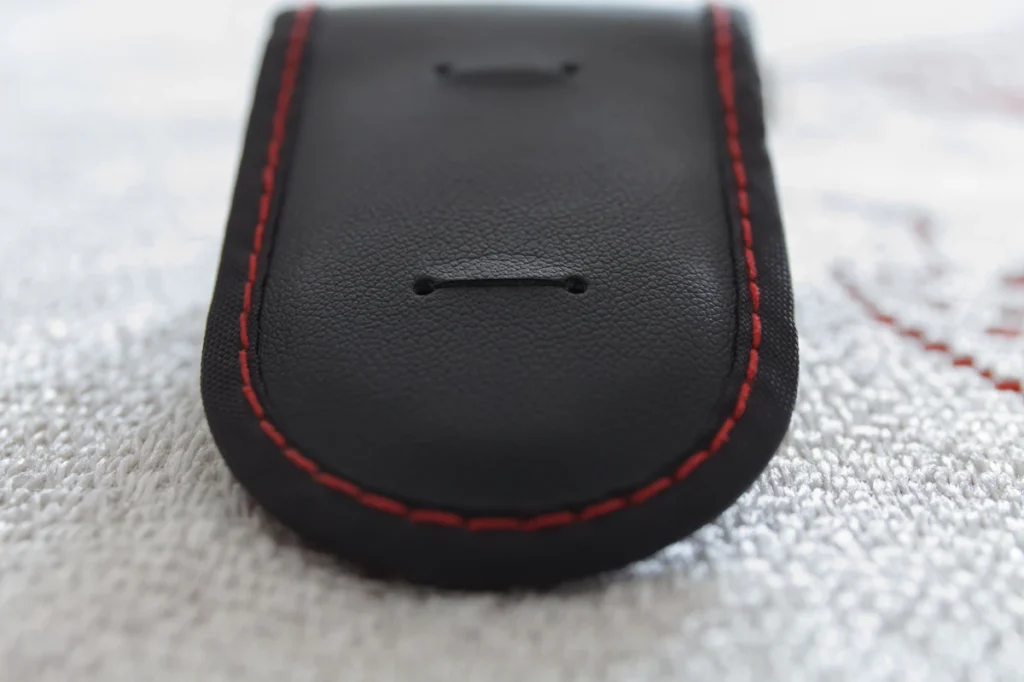
The ends are bound so they do not fray under tension. Elbow, ankle and grip items sit in our wider strength training accessories range.
| Element | Customization Options |
|---|---|
| Stripe pattern | Jacquard stripes woven in your colors |
| Logo | Woven logo along the wrap or printed on the tab |
| Grade label | Stiffness marked on a sewn tag |
| Pouch | Printed drawstring bag for each pair |
| Retail pack | Box or header card with barcode |
Every logo method we offer is set out on our customization page.
Each wrap is rolled tight and the pair goes into a polybag or drawstring pouch, which lifters reuse in their gym bag.
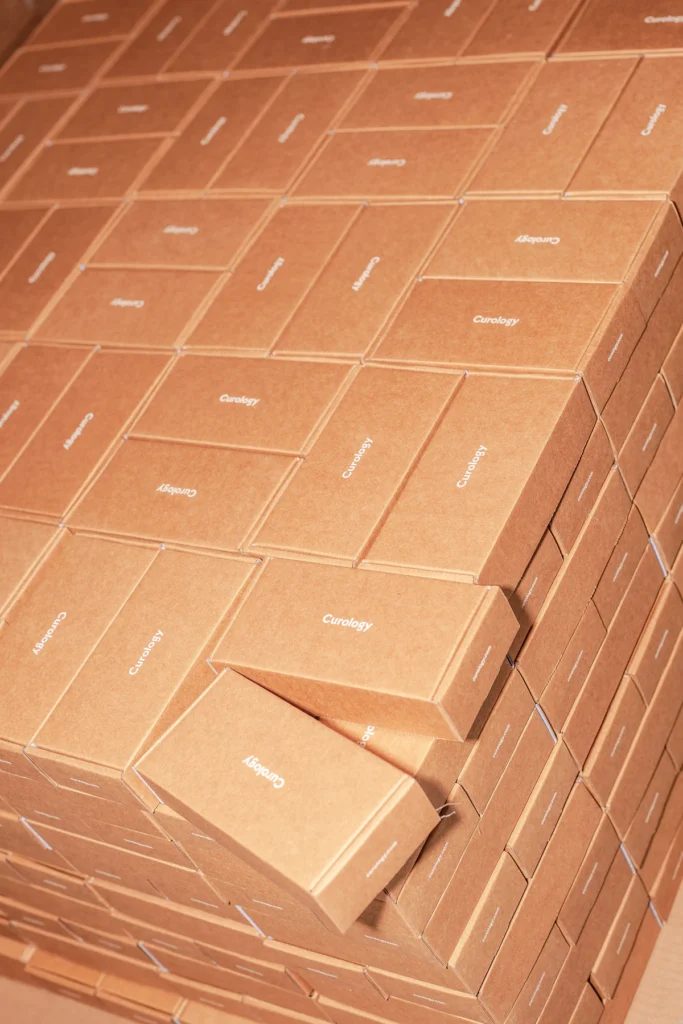
Pairs can sit in a printed box with UPC or FNSKU labels, and master cartons are packed by stiffness grade.
Stiffer wraps give more spring but feel harsh at first, so many brands sell two grades.
Longer wraps allow more turns and more support, while shorter ones suit smaller lifters.
Federations limit length and width for wrapped classes, so check rules before any meet claim.
You wind each grade on a squat, judge the spring out of the hole, check edge comfort and confirm stripe colors and logo.
Production holds the approved weave ratio and length, and each lot is stretched and measured against the sample pair. Brand-new wrap concepts run through our product development stages.
Every lot passes these points within our quality control process:
Both go on the knee for squats, but they suit different lifters and divisions.
| Feature | Wraps | Knee Sleeves |
|---|---|---|
| Support | Strong rebound from wound elastic | Warmth and compression |
| Wear time | Heavy sets only | Whole session |
| Sizing | One length per pair | Sized to the leg |
| Meets | Wrapped or equipped classes | Raw classes |
| Customer | Advanced powerlifters | Most gym lifters |
Brands often pair wraps with our knee sleeves so lifters can move from raw training to wrapped sets.
Oath and Oak confirms MOQ and timing in your quote, based on grade, length, stripe colors and packaging.
Many buyers list these as powerlifting knee wraps to reach meet lifters. Share grades, colors and artwork through the form, and pairs move by air or sea freight.
Still have a question?
Send your product details for a quote, or reach Oath and Oak through the contact page.
Stiff elastic has little give until it has been stretched over a few sessions. A short break-in note on the insert helps customers expect this from the start.
Most use a spiral that climbs over the knee or an X pattern that crosses behind it. A simple diagram on the card shows both methods for new users.
Yes, if the length and width meet the federation rules. Some lifters keep a softer pair for training and save a stiffer pair for competition days.
Elastic slowly relaxes with heavy use and heat. Rolling wraps loosely and drying them away from heaters keeps the spring for longer between pair replacements.
No. Lifters usually save them for the heaviest work sets and train lighter sets in sleeves or bare knees, which keeps the knees used to unsupported squats.