
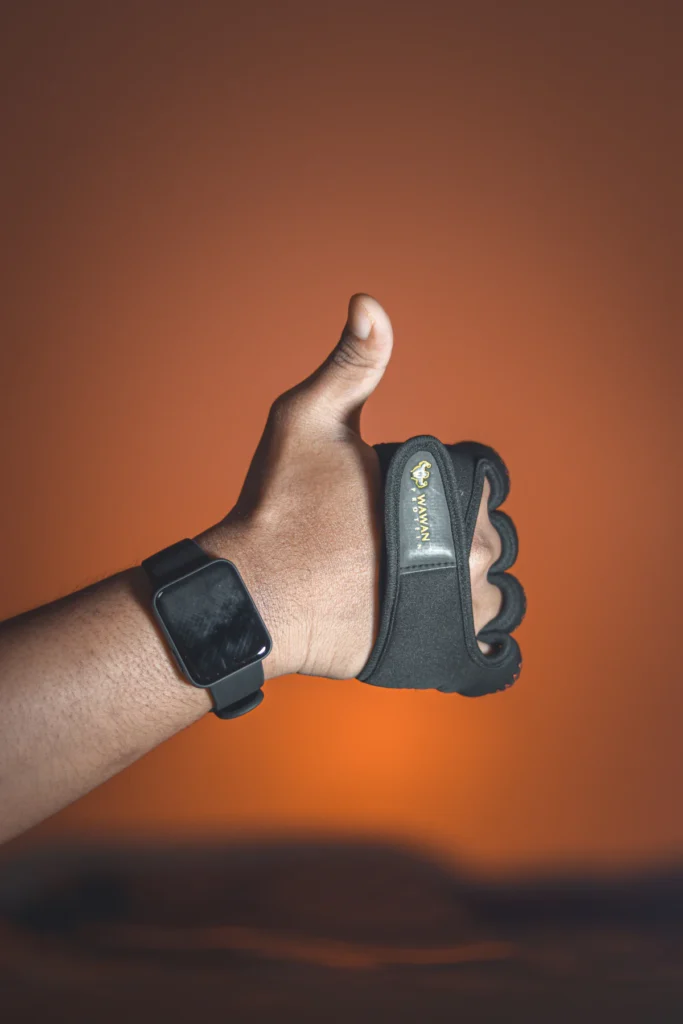
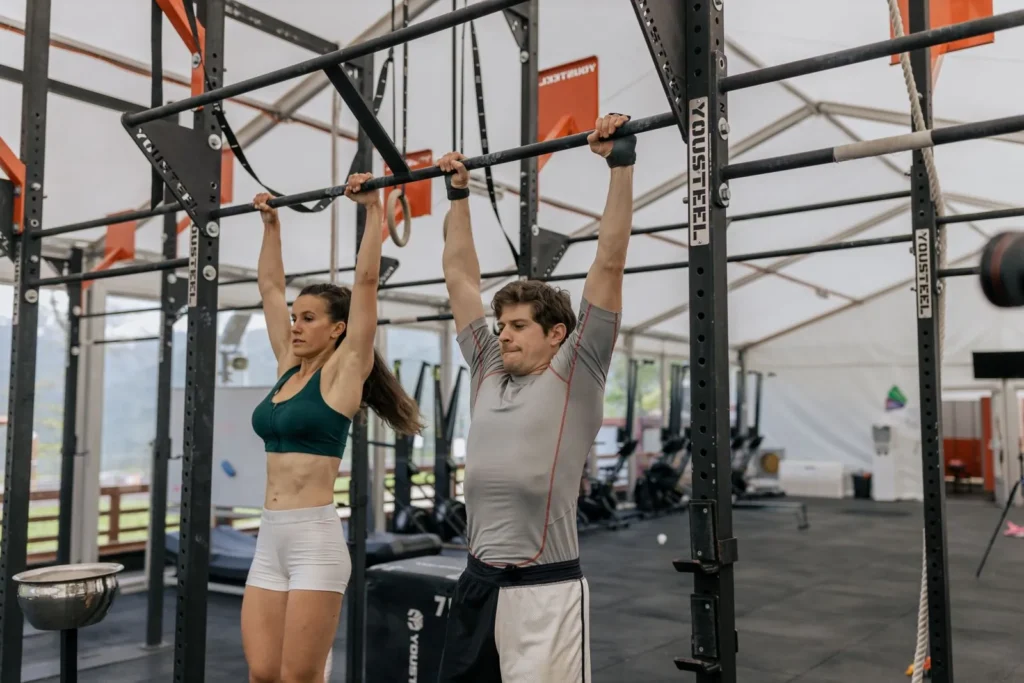
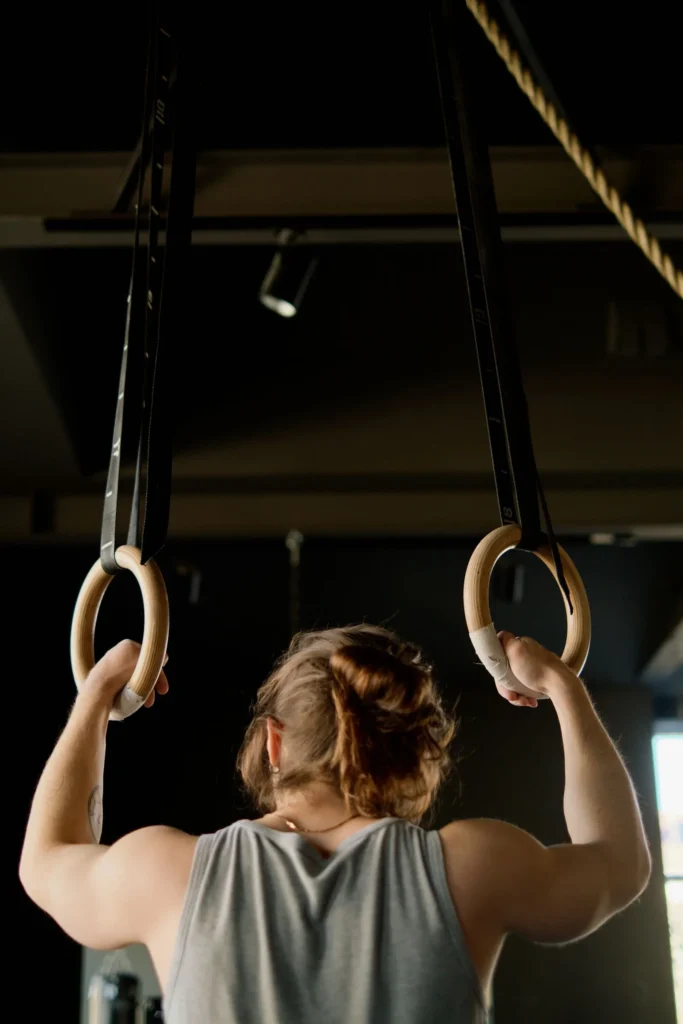
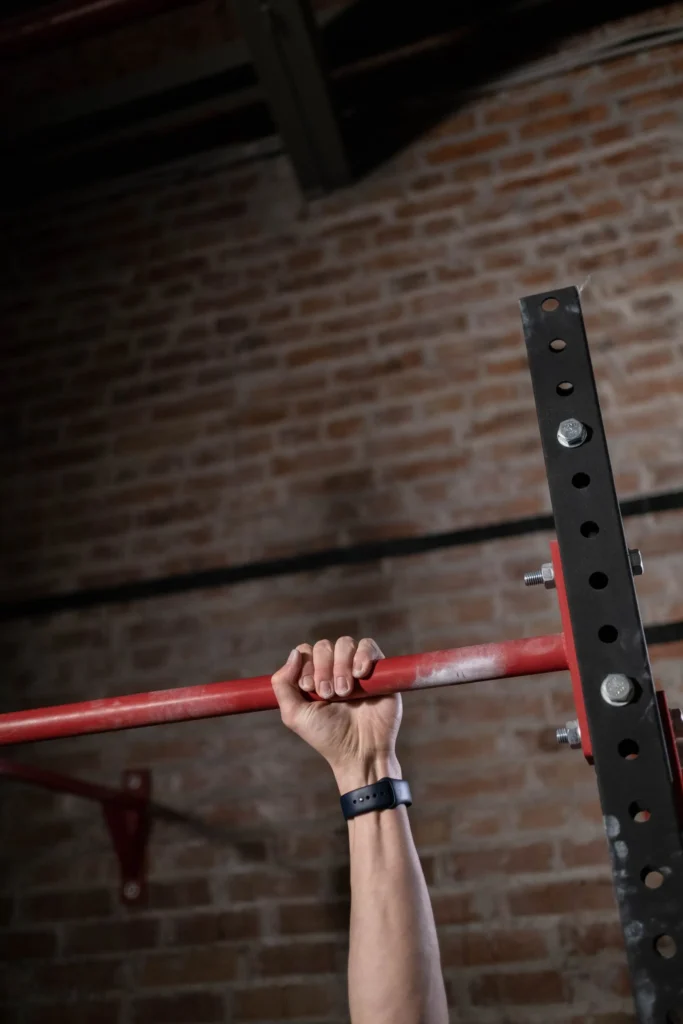
Our CrossFit grips are cut and finished in the Oath and Oak Global factory for brands that sell to CrossFit boxes, functional fitness athletes and gymnastics-style training customers.
They are thin palm protectors that loop over two or three fingers and fasten at the wrist, shielding the palm from rips on pull-ups, toes-to-bar, muscle-ups and rings.
They sit between beginner palm guards and gymnastics dowel grips, giving protection without the dowel that bar gymnasts use.
| Specification | Options |
|---|---|
| Material | Leather, suede-textured leather or carbon-style synthetic |
| Finger holes | Two-hole, three-hole or fingerless |
| Wrist strap | Standard or extra-wide hook-and-loop |
| Thickness | Thin for bar feel or thicker for durability |
| Sizes | XS to XL, with a chart for each model |
| Colors | Natural leather, black or printed synthetic |
Covers the palm areas where calluses tear most, with a wide strap for intense bar sessions.
A lighter grip that leaves the little finger free, popular with athletes who want more bar feel.
A durable synthetic surface that suits slick and powder-coated bars and rigs in busy boxes.
A palm-only grip with no finger loops for athletes who want quick on and off between movements.
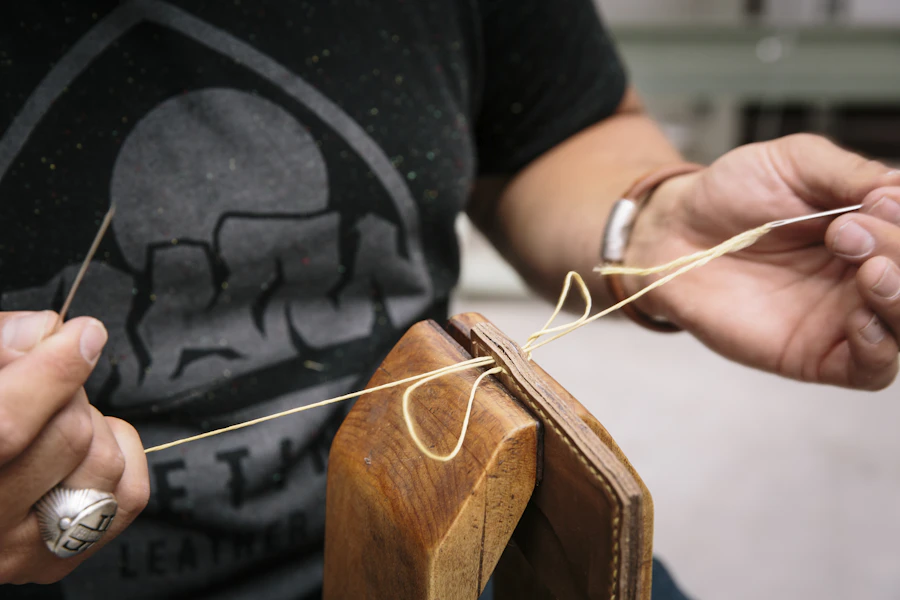
Inside the Oath and Oak workshop, the palm piece is die cut by size, the finger holes are reinforced so they keep their shape, and the strap is stitched where the palm piece meets the wrist.
Edges are finished to stop fraying where the grip folds over the bar. Lifting-grip and palm-pad styles sit in our wider gym grips range.
| Element | Customization Options |
|---|---|
| Palm | Embossed or laser-engraved logo on leather, printed artwork on synthetic |
| Strap | Woven label, embroidery or printed logo |
| Colors | Strap and stitching in your palette |
| Size mark | Printed size inside the palm |
| Packaging | Drawstring pouch, header card or box |
Further branding and packaging routes are listed on our customization page.
Pairs ship in a breathable drawstring pouch that doubles as a grip bag, a detail athletes keep using long after purchase.
Header cards or boxes carry the size and a measuring guide, with barcodes and master cartons sorted by size.
Measure from the wrist crease to where the middle finger starts, then match that model’s chart.
Many brands suggest the larger size for synthetic grips, which will not stretch to fit later.
Used grips are rarely returnable, so a clear measuring guide before purchase saves disputes.
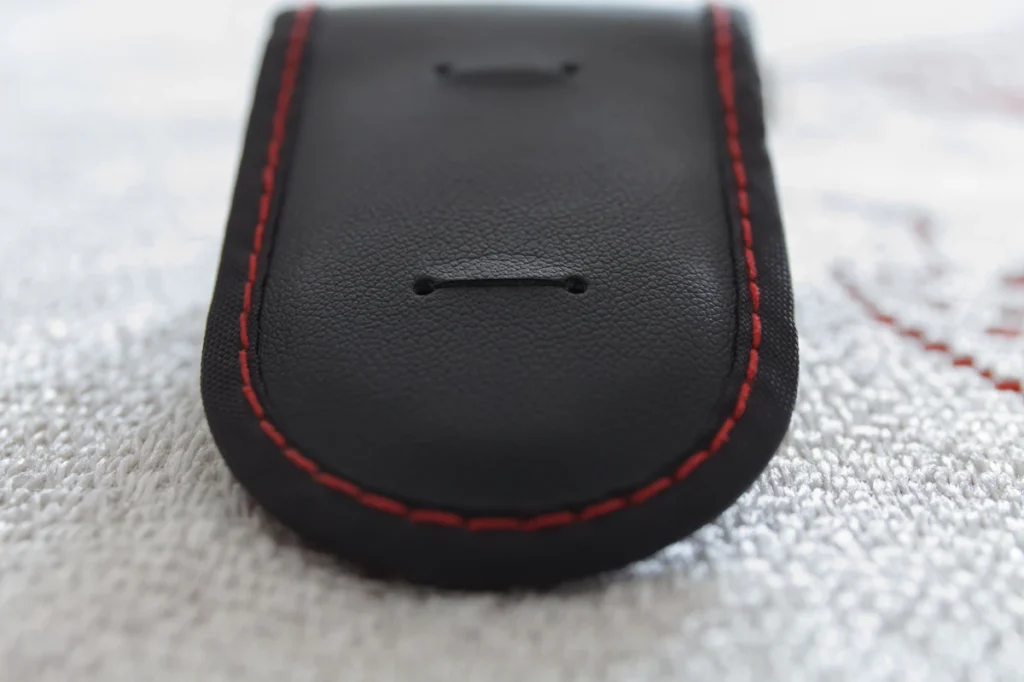
You test finger-hole fit, how the palm wraps a pull-up bar, strap hold and how the logo looks once chalk is on the palm.
Production cuts each size from the approved dies and checks every lot against your sample. New grip shapes are developed through our product development process.
Within our quality control process, each lot is inspected for:
Both protect the palm, but they behave differently on the bar.
| Feature | Carbon-Style | Leather |
|---|---|---|
| Durability | Very durable | Durable, softens with use |
| Bar feel | Firmer, less bar rotation | Softer, slides around the bar |
| Fit over time | Does not stretch | Stretches slightly |
| Rigs | Coated rigs and slick bars | Standard bars with chalk |
| Barbell work | Less comfortable | More comfortable |
Brands often carry leather as the main grip and carbon-style as the option for heavy users and slick rigs.
MOQ and timing depend on material, finger-hole style, size run and packaging, and Oath and Oak includes both in your quote.
Shoppers also search gymnastic grips crossfit when they want finger-hole grips, so cover that phrase in your listings. Send sizes, colors and artwork through the form, and grips ship by air or sea freight.
Still have a question?
Send your product details for a quote, or reach Oath and Oak through the contact page.
No grip removes the risk entirely, but they reduce friction on the palm where rips usually start. Present them as protection rather than a promise in your product listings.
By wearing them on simple hanging and kipping work first. The leather softens and shapes to the hand over a few sessions before the athlete moves to heavy volume.
Snug, yes. Leather holes loosen with use, so a slightly tight fit on the first day usually becomes the right fit after a few training sessions on the bar.
Brush off excess chalk and let them air dry in a breathable bag. Soaking leather grips stiffens them, so wiping with a damp cloth works better than washing.
Some do for high-rep cleans or snatches, but most take them off for barbell lifts and keep them for bar, rig and ring movements where the palm rubs most.