
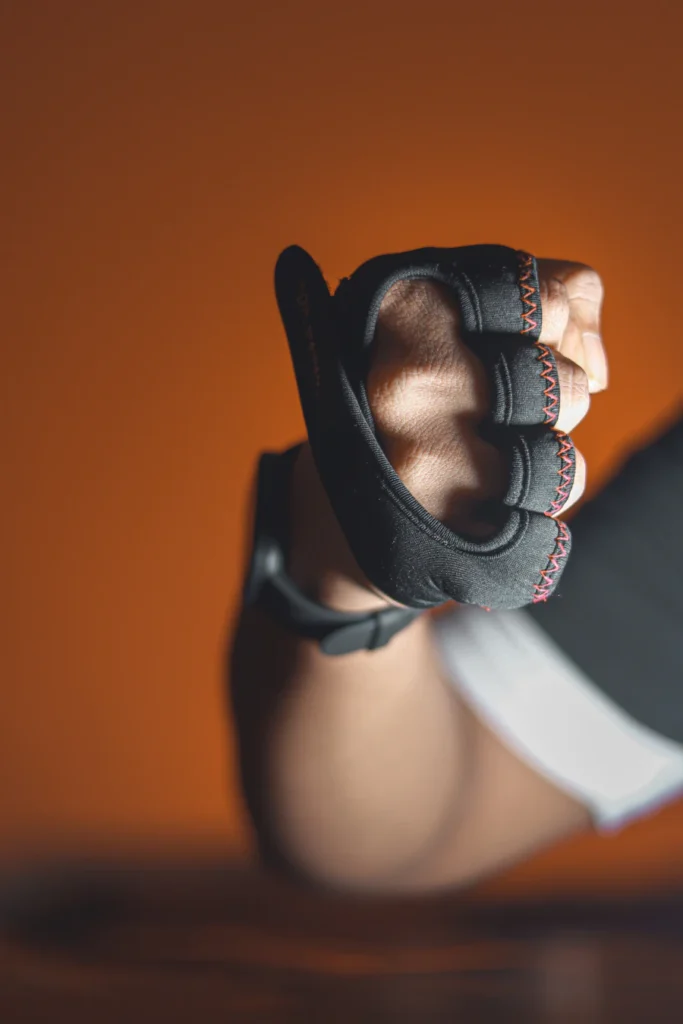
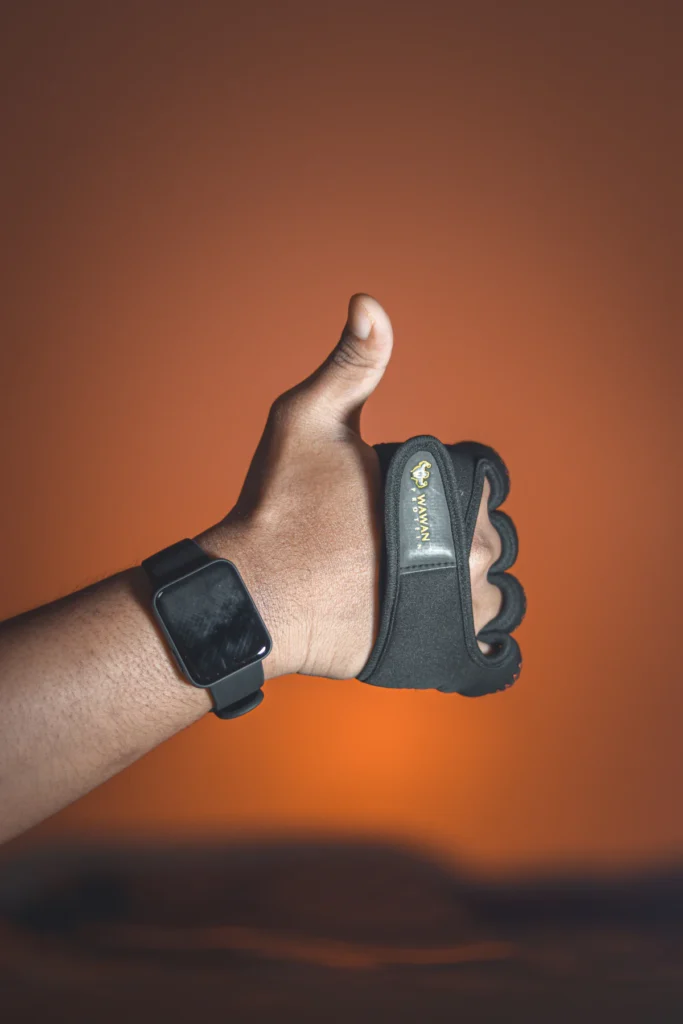
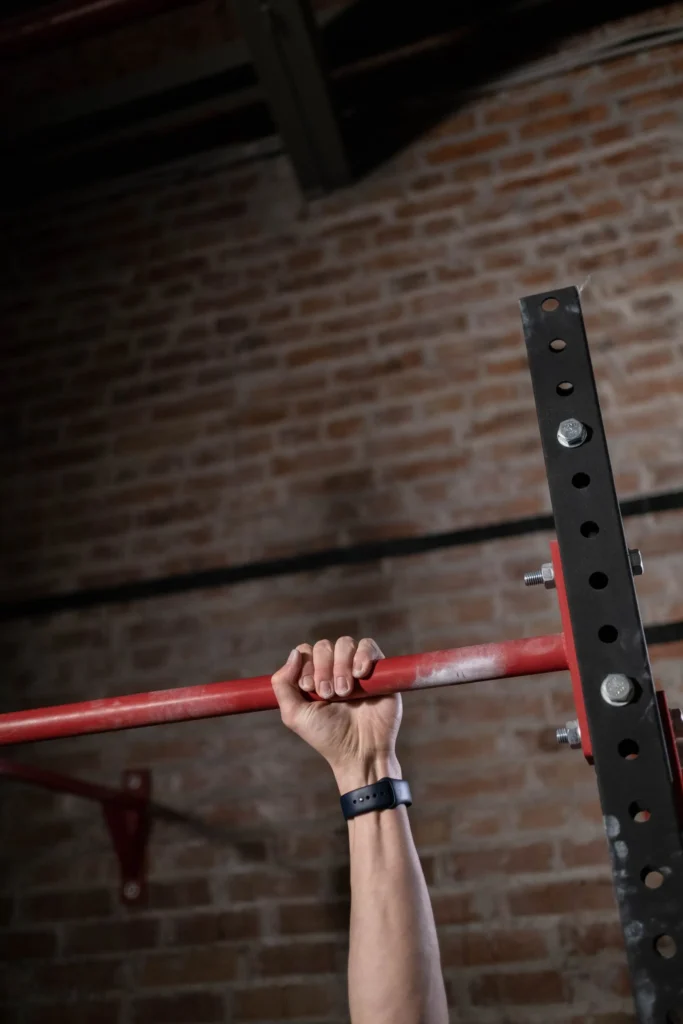
Our weightlifting grips are made in the Oath and Oak Global factory for brands whose customers want palm protection and a secure hold on dumbbells, bars and cable handles.
They are palm pads held in the hand and secured with a strap around the wrist. The pad sits between the palm and the handle, and the strap stops it slipping.
Unlike straps, they suit pressing as well as pulling, and customers can move between exercises quickly. They do ask a little more of the customer’s own grip.
| Specification | Options |
|---|---|
| Pad material | Textured rubber, neoprene, genuine leather or synthetic leather |
| Pad shape | Single palm pad or a pad that wraps toward the fingers |
| Wrist strap | Foam-lined hook-and-loop, standard or wide |
| Thickness | Thin for bar feel or thicker for cushioning |
| Sizes | S to XL, or one adjustable size |
| Colors | Pad, strap and stitching in your palette |
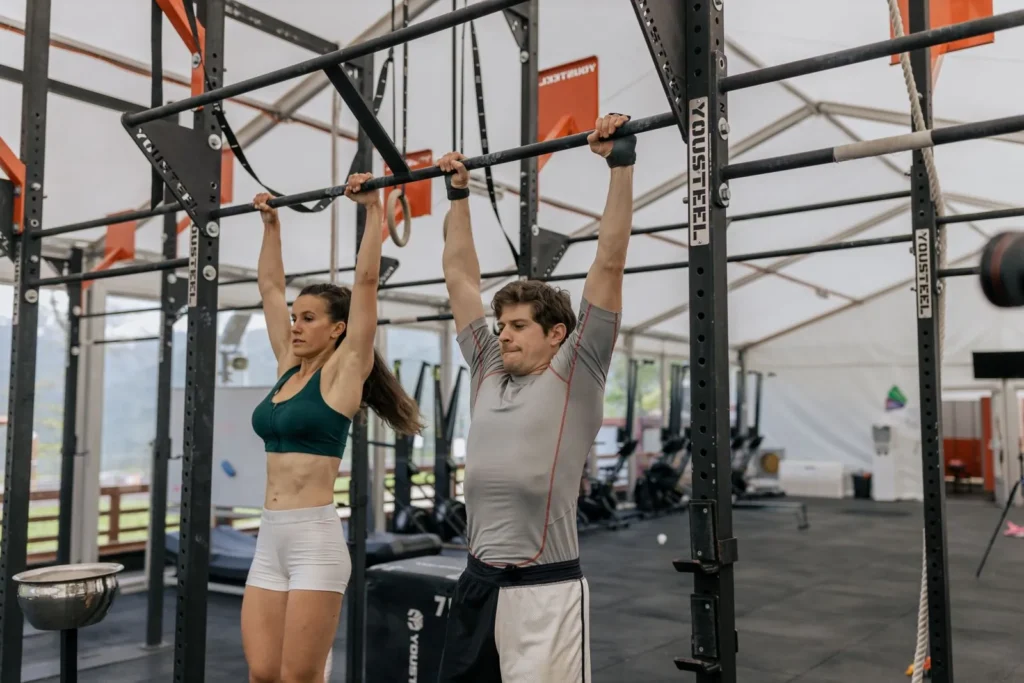
A tacky rubber pad on a padded strap, the everyday style for dumbbells, rows and cable work.
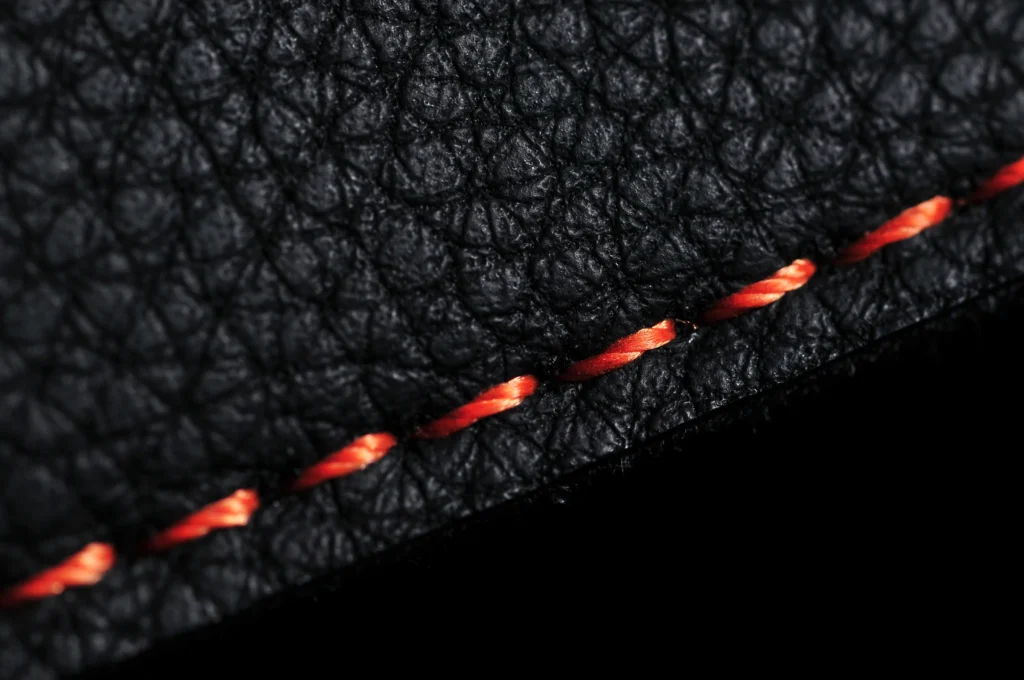
A genuine leather palm pad that softens with use and suits brands with a leather accessory line.
A broader wrist strap that adds light wrist support for customers who press as much as they pull.
A strap with a pull tab that frees the hand fast between sets in busy gym sessions.
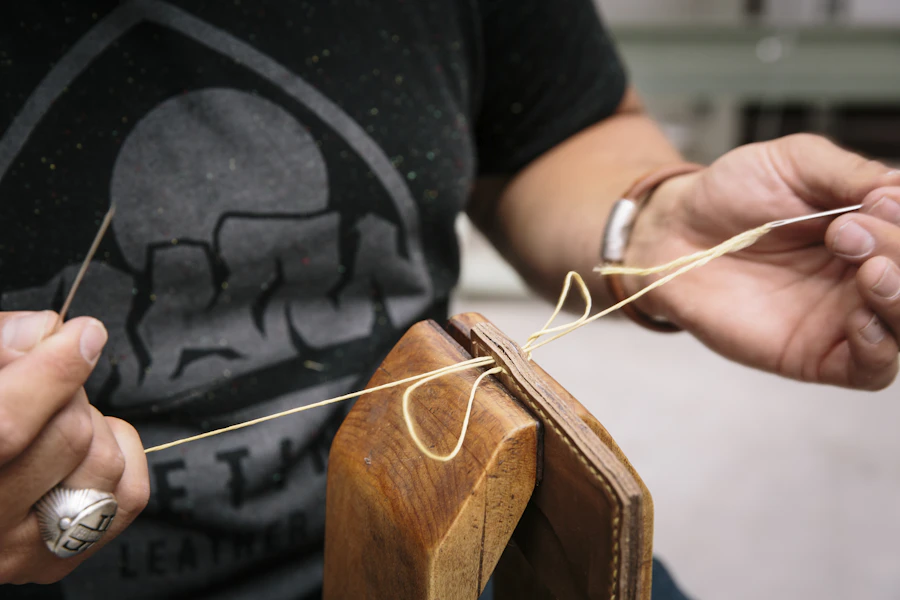
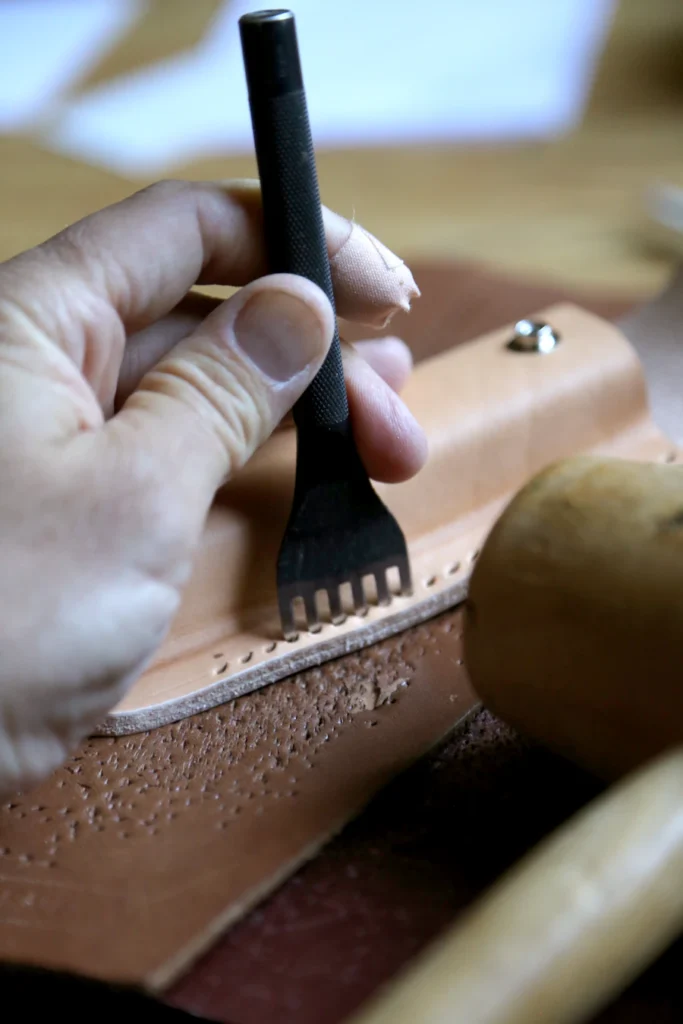
For every Oath and Oak build, the pad is die cut by size and stitched or bonded to the wrist strap, and that joint is reinforced because each pull loads it.
Hook-and-loop panels are sized so the strap stays closed under tension. Finger-hole and palm-protector styles are part of our broader gym grips range.
| Element | Customization Options |
|---|---|
| Pad | Molded or printed logo on rubber, embossing on leather |
| Strap | Woven label, embroidery or printed logo |
| Colors | Pantone-matched pad and strap |
| Pull tab | Branded tab in a contrast color |
| Packaging | Pouch, header card or retail box with barcodes |
More branding routes are listed on our customization page.
Pairs are packed in a zip pouch or on a header card, which keeps the pads flat and gives customers somewhere to store them after training.
UPC or FNSKU labels go on each pack, and master cartons are organized by size for retail and Amazon stock.
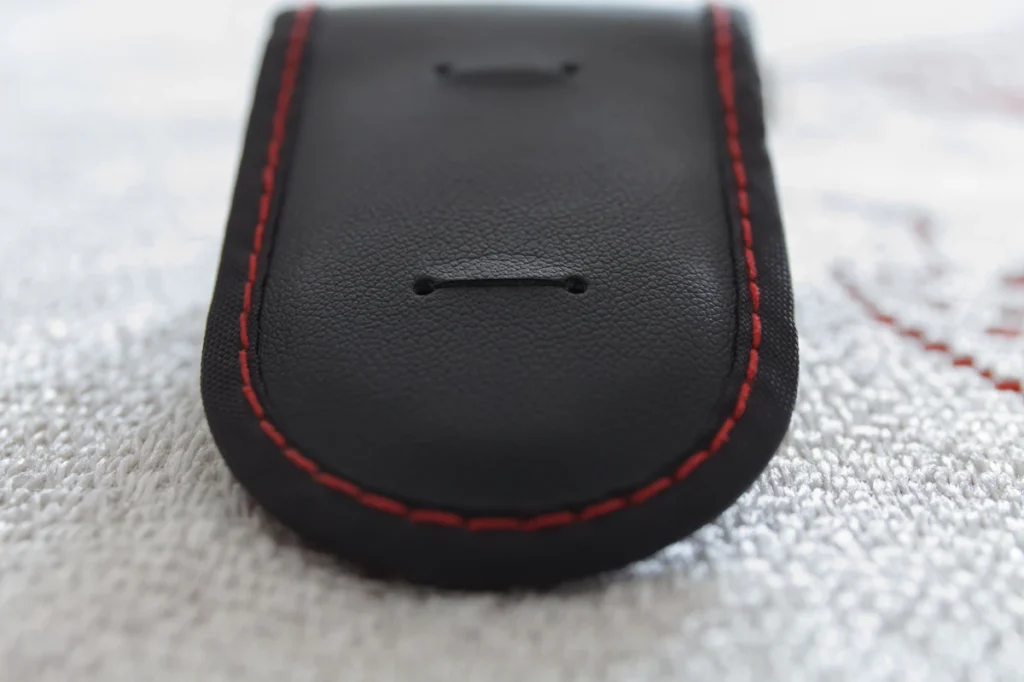
Rubber grabs the handle firmly, while leather gives a softer, natural feel that improves with use.
A narrow strap keeps the wrist free, while a wide strap adds some support on pressing days.
Sized grips fit closer, while one adjustable size cuts the number of SKUs you need to stock.
You test how the pad holds a dumbbell and a bar, how the strap feels when tight and how clearly the logo shows on the pad.
Production cuts every pad from the approved die and checks each lot against the sample. A new grip concept begins with our product development steps.
As part of our quality control process, every lot is checked for these points:
Both help customers hold the weight, but they work in different ways.
| Feature | Lifting Grips | Lifting Straps |
|---|---|---|
| How they work | Pad between palm and handle | Strap ties the hand to the bar |
| Exercises | Pulling and pressing | Pulling only |
| Switching exercises | Quick | Slower, needs rewrapping |
| Grip demand | Customer still grips hard | Takes load off the fingers |
| Palm protection | Yes | Limited |
Many brands sell both: grips for general sessions and lifting straps for the heaviest pulls.
Your Oath and Oak quote confirms MOQ and timing, which depend on pad material, strap style, sizes and branding.
Listings for workout grips often also rank for lifting grips gym searches, so name both in your titles. Send sizes, colors and artwork through the form, and grips travel by air or sea freight.
Still have a question?
Send your product details for a quote, or reach Oath and Oak through the contact page.
For many customers, yes. Grips protect the palm while leaving the back of the hand and fingers free, which keeps more bar feel than a full glove.
Yes. They work well on cable handles, seated rows and lat pulldowns, which is one reason gym customers like them for long, machine-heavy training sessions.
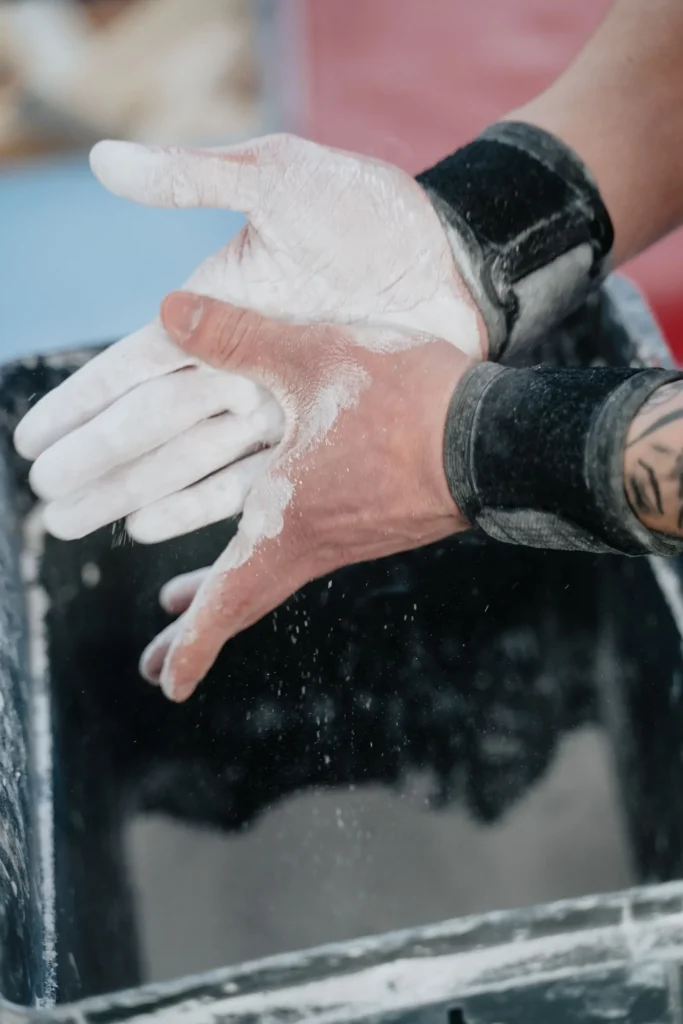
Textured rubber slowly loses some tack with heavy use and chalk. Rinsing the pads and drying them away from heat keeps the surface working longer.
Yes, for comfort and palm protection. Beginners should still train their own grip strength, so present grips as support rather than a replacement for grip work.
Flat and dry, away from direct sun and heat. A pouch in the box encourages customers to store them properly and keeps the pads clean between sessions.