
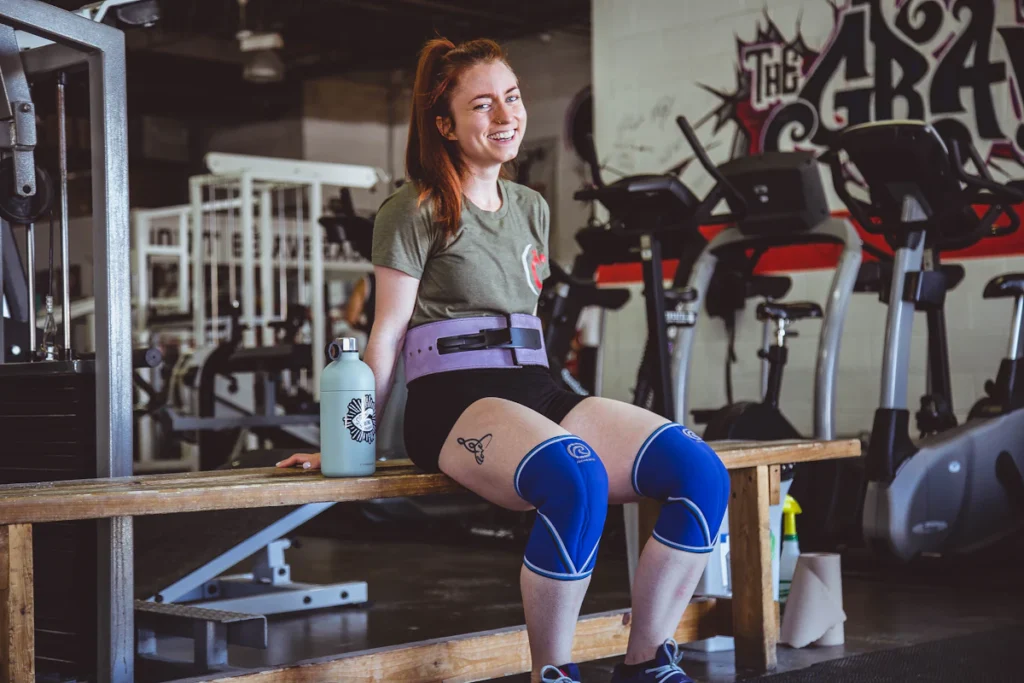
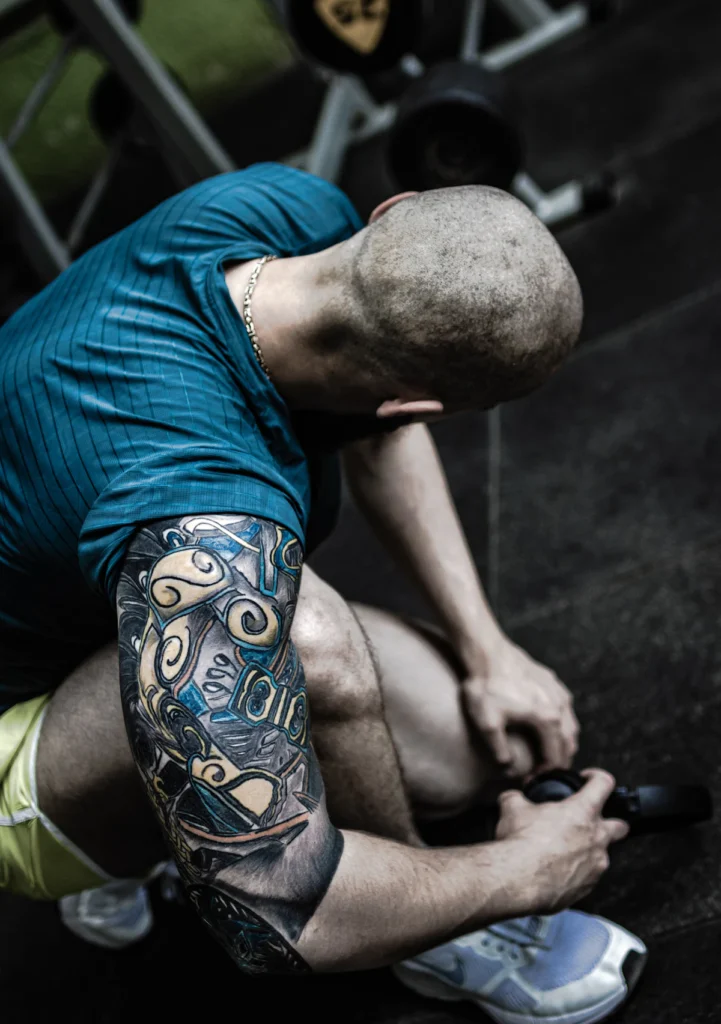

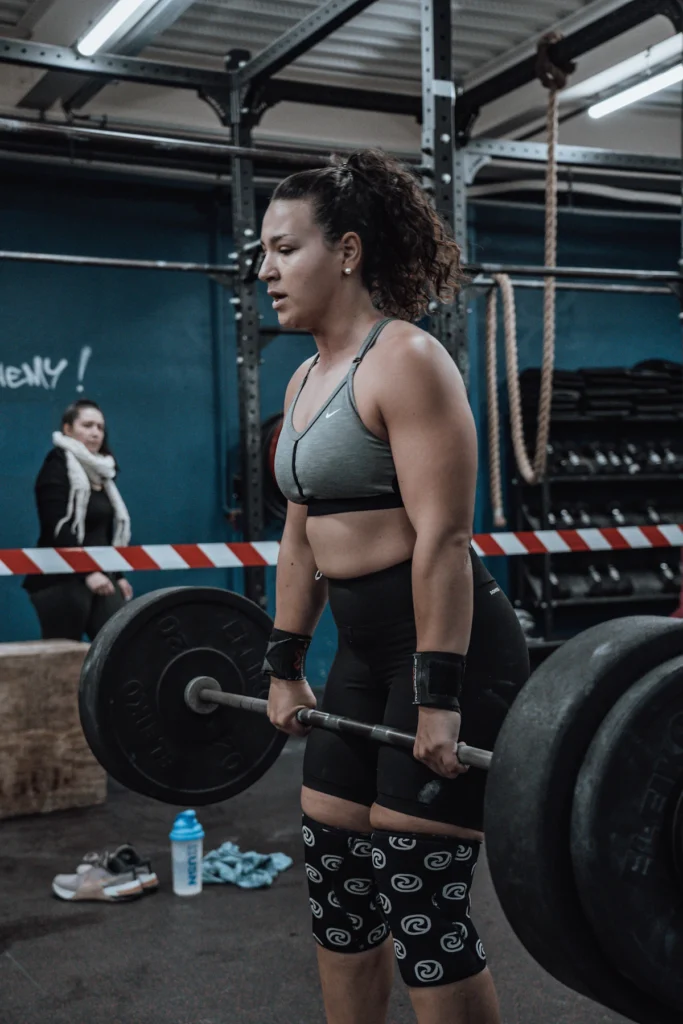
Our neoprene knee sleeves are cut from sheet neoprene and seamed in the Oath and Oak Global factory for strength, CrossFit and gym brands that sell under their own label.
It is a tube of neoprene, a synthetic rubber foam, pulled over the knee to add compression and keep the joint warm during squats and training.
Neoprene does not stretch easily, so it forms a firm cylinder around the knee. That firmness is why lifting brands use it instead of knitted fabric.
| Specification | Options |
|---|---|
| Neoprene | CR neoprene, SCR neoprene or an SBR blend |
| Thickness | 3mm, 5mm or 7mm |
| Facing | Nylon jersey on the inner and outer faces |
| Seams | Glued and stitched, at the sides or the back |
| Panels | Two-panel or contoured multi-panel |
| Length | Standard or a longer 30 cm cut |
| Sizes | XS to XXL |
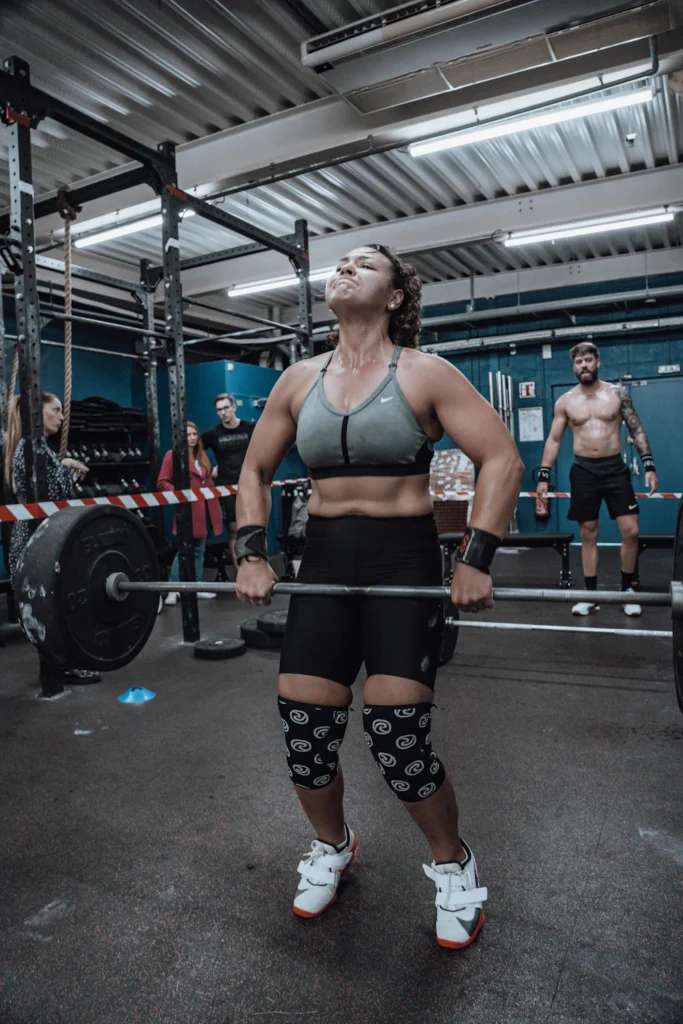
Side seams join two neoprene panels into a straight cylinder, the simplest build for heavy squat customers.
Several shaped panels follow the bend of the knee, which keeps the sleeve in place through deep flexion.
A V-shaped seam at the back of the knee reduces bunching in the squat for static strength training.
Small holes in thinner neoprene let heat escape for gym customers who train in warm conditions.
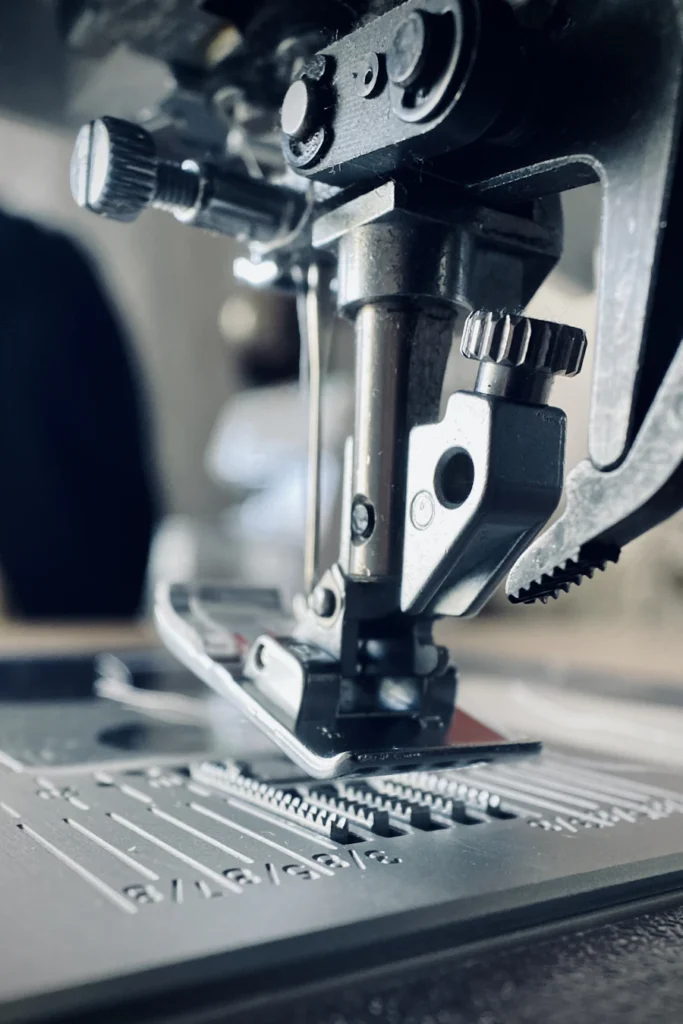
On the Oath and Oak production floor, neoprene sheet laminated with jersey on both faces is die cut to a graded pattern, glued edge to edge and then stitched across the seam for strength.
The openings are bound or left as clean-cut edges, and silicone grip lines can be printed inside to reduce slipping. Thickness guidance sits on our knee sleeves category page.
| Element | Customization Options |
|---|---|
| Logo | Screen print, heat transfer or embossed print on the front panel |
| Neoprene color | Black, brand colors or two-tone panels |
| Jersey facing | Contrast color on the outer face |
| Binding | Edge tape in your color |
| Inner print | Size and left or right marking |
Inserts, labels and other routes are listed on our customization page.
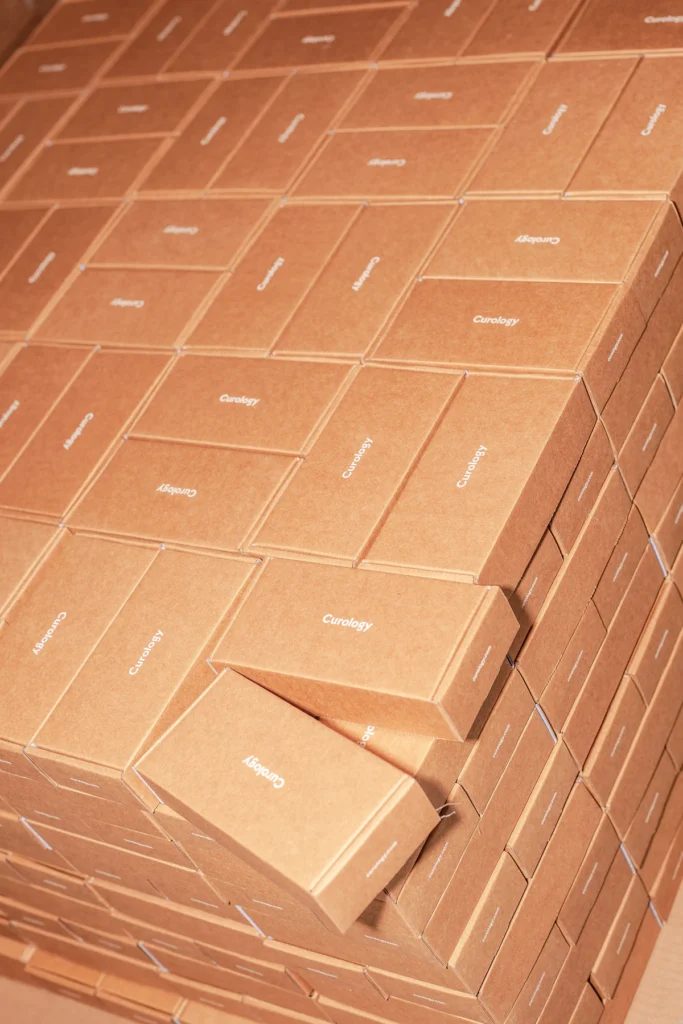
Sleeves are packed flat in pairs or singles inside polybags or a printed retail box, with a sizing guide card for customers buying online.
UPC or FNSKU labels are added at packing, and master cartons are sorted by size so restocking stays simple.
Charts are built on knee circumference, taken mid-kneecap on a straight and relaxed leg.
Customers with a large calf need the next size, so the chart should mention the calf as well.
Say whether sizes run true or snug, since lifters size down while casual users keep their true size.
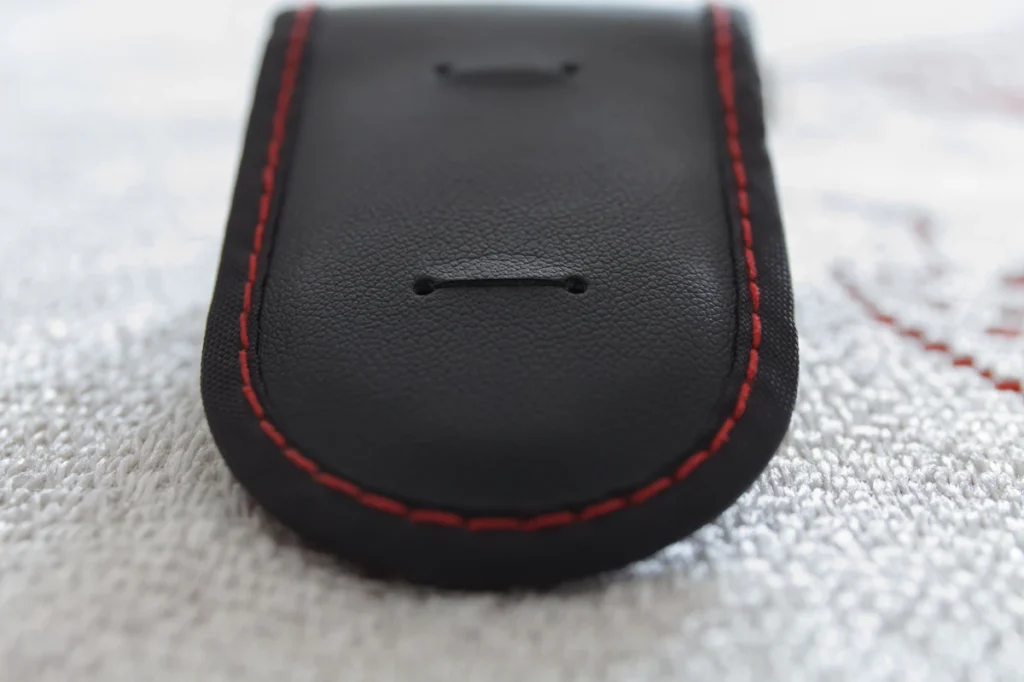
The sample shows compression on real knees, seam comfort behind the knee in a deep squat and how the logo holds when the neoprene stretches.
Every production lot is cut from the same graded patterns and compared with that sample before packing. New sleeve designs begin in our product development process.
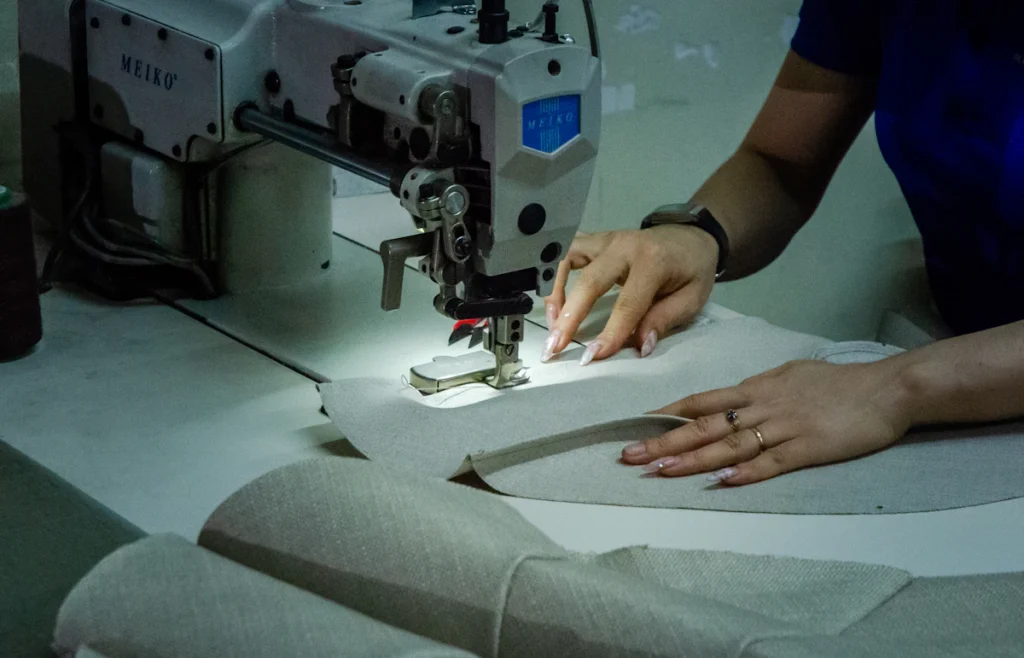
As part of our quality control process, each lot is inspected for:
Both are neoprene-type foams, but they feel different on the knee and suit different customers.
| Feature | CR Neoprene | SBR Blend |
|---|---|---|
| Feel | Firm, holds its shape | Softer, stretches more |
| Support | Higher compression | More mobility |
| Typical use | Heavy squats and strength work | Functional fitness and mixed training |
| Material cost | Higher | Lower |
| Retail story | A firm, supportive cylinder | A flexible, comfortable fit |
Brands focused on squats usually choose CR neoprene, while knee sleeves for lifting and conditioning in one session often use a blend.
MOQ and timing depend on the neoprene type, thickness, size spread and printing, and Oath and Oak lays out both in your quote.
Send your size chart, colors and artwork through the form, and sleeves travel to you by air or sea freight.
Still have a question?
Send your product details for a quote, or reach Oath and Oak through the contact page.
They can feel stiff for the first few sessions and then mold to the leg with use. Saying this on the size card avoids returns from customers who expected instant comfort.
Neoprene holds sweat, so regular washing and air drying away from heat keep it fresh. Some brands add an antimicrobial inner lining to reduce odor between washes.
Thinner sleeves are comfortable for long sessions, while thick ones are often rolled down between sets. Taking sleeves off during long rests also lets the skin breathe.
Neoprene relaxes slightly with use, which is why many lifters start with a snug fit. Thicker neoprene is less likely to stretch out than thin sleeves.
Neoprene is a synthetic rubber, and many sleeve brands label their products latex-free. Confirm the material declaration you want on the label, and we print it as approved.