Learning how to start a fitness brand comes down to a few decisions made in the right order: a clear customer, a small launch range, distinct branding, tested samples and a realistic budget for stock, freight and marketing.
This guide is for founders who want to sell lifting and training accessories under their own name. It walks through each step from niche to first reorder, with the questions a manufacturer will ask along the way.
What Does Starting an Accessories Brand Involve?
A fitness accessories brand sells products such as straps, belts, wraps, sleeves and bands under its own name, made by a manufacturer and branded with the founder’s logo and packaging.
Most new brands begin with private label, where the factory’s proven designs carry the brand’s logo. OEM, where the brand supplies its own design, usually comes later once the founder knows what customers want.
Accessories suit new brands well. They are compact, ship efficiently, sell year round and need fewer sizes than apparel, which keeps the first order manageable.
They also give room to test a brand idea before moving into apparel or equipment.
Which Steps Should a New Brand Follow?
1. Choose Your Customer
Pick one audience first, such as powerlifters, home trainers, CrossFit athletes or women’s strength training.
2. Study the Market
Read competitor reviews for repeated complaints about fraying, fit or rolling that your product can fix.
3. Pick a Launch Range
Choose two to four products that sell together, such as lifting straps, wraps and a band set.
4. Build the Brand
Settle the name, logo and colors, and check that the name is available before printing anything.
5. Sample and Test
Order branded samples and have real lifters train with them before you approve bulk production.
6. Plan Stock and Launch
Set quantities, packaging and freight, then line up listings, photos and launch marketing in advance.
Which Products Make a Good First Range?
Products with few sizes and clear demand keep risk low. Lifting straps, wrist wraps and resistance band sets are common first choices because one or two sizes cover most customers.
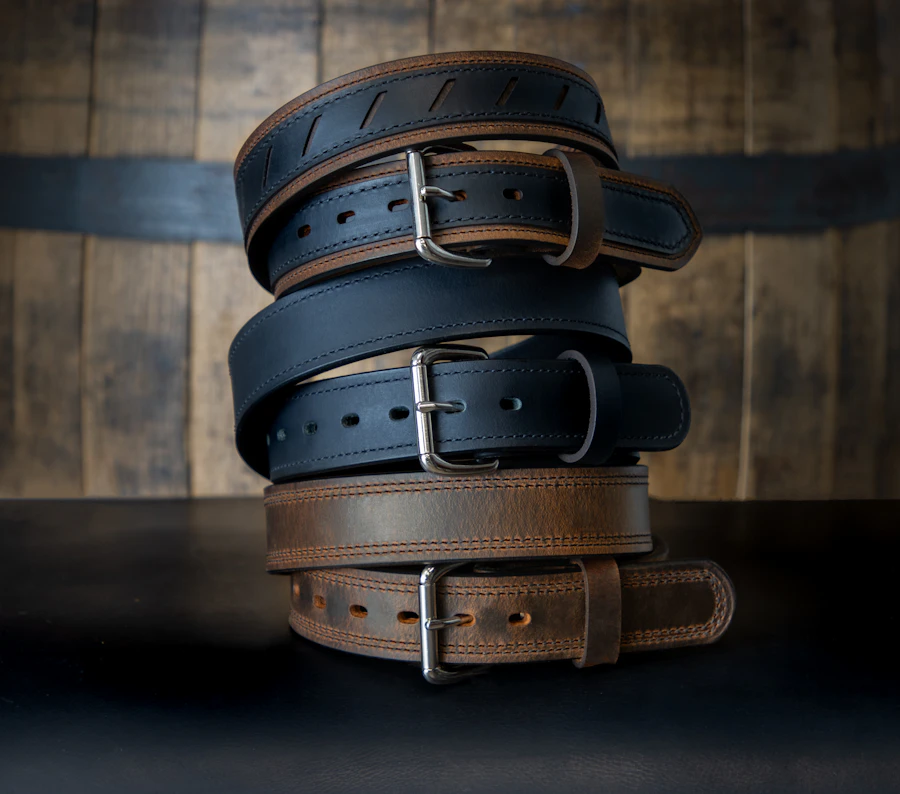
Belts and knee sleeves sell well too, but they need full size runs, which ties up more stock. Many founders add them in a second order once early sales show which sizes move.
Choose products that look like a family. Matching colors, logo style and packaging across your first items make a small range look established and encourage customers to buy more than one piece.
How Much Research Is Enough Before You Order?
Enough to answer three questions: who will buy, what problem the product solves for them and why they would pick your version. If you cannot answer all three in a sentence each, keep researching before you pay for samples.
Marketplace reviews are the quickest source. Sort competitor products by their lowest ratings and note the complaints that repeat, then make sure your sample fixes them.
Knowing how to start a fitness brand on paper is not the same as validating demand, so talk to a few people in your target audience and show them your sample photos before committing to stock.
How Should You Protect and Present the Brand?
Register your brand name as a trademark in the markets you plan to sell in. Amazon’s Brand Registry requires a trademark, and registration also protects listings and packaging from copycats.
Check current rules with Amazon and a trademark professional before launch.
Packaging is part of the product. A clear box or pouch with your logo, a size chart where needed and a short care or exercise card makes a first-time customer trust a new name.
Photography matters just as much. Shoot the samples in real training settings, since buyers judge accessories by how they look in use. Clean product shots on a plain background complete the set for marketplace listings.
Private Label or OEM: Which Is Right for a New Brand?
| Feature | Private Label | OEM |
|---|---|---|
| Starting point | Factory’s proven design | Your own design |
| Speed to market | Quicker | Slower, more sample rounds |
| Development effort | Low | Higher |
| Uniqueness | Branding and colors | Product itself is distinct |
| Good for | First launches | Signature products later |
Many founders start a gym accessories brand with private label straps or wraps, then add one OEM product once they understand their customers’ needs.
How Does Your Launch Plan Shape the First Factory Order?
A manufacturer will ask for your products, materials, sizes, colors, logo, packaging and estimated quantities. Having rough answers ready, even if some are open, speeds up the quote and the first samples.
At Oath and Oak, new brands often start with a branded sample of two or three products, then move to bulk after testing. Minimum quantities depend on the product, materials and packaging, and they are confirmed in the quote.
Plan your budget beyond the factory price. Samples, packaging, freight, duties, marketplace fees and advertising all add up before the first sale.
Our private label and OEM page explains how Oath and Oak supports each step for brands that launch fitness products for the first time.
Which Launch Mistakes Should New Brands Avoid?
Launching Too Many Products
A wide first range spreads budget thin and leaves stock sitting in slow-selling sizes.
Skipping Samples
Approving bulk without testing risks a product flaw reaching hundreds of customers.
Copying a Competitor
A near-identical product gives shoppers no reason to choose a new name over an old one.
Ignoring Reviews After Launch
Early reviews show what to improve, and the next production run is the time to fix it.
Forgetting Freight and Fees
Freight, duties and marketplace fees can erase margin if they are left out of the plan.
What Else Do Buyers Ask About How to Start a Fitness Brand?
Do I need a company before contacting a manufacturer?
Not to ask questions or request samples. You will need a registered business, tax details and a bank account to sell on marketplaces and receive commercial shipments, so set those up early.
Should I sell on Amazon or my own website first?
Amazon offers built-in traffic but more competition and fees, while your own website gives more control but needs marketing. Many brands use both, with Amazon for reach and the website for loyal customers.
How many products should a new brand launch with?
A small, related set is a common start, often three items. It gives shoppers a reason to add a second product to the basket without spreading your first budget across too many sizes.
What are the best products for a first fitness range?
Products with one or two sizes and steady demand, such as straps, wraps or band sets, are popular first picks. The right choice still depends on your audience and what they already buy.
When should I reorder stock?
Track sales weekly and reorder well before stock runs out, allowing for production and freight time. Running out of a fast-selling product loses marketplace ranking that takes time to win back.