
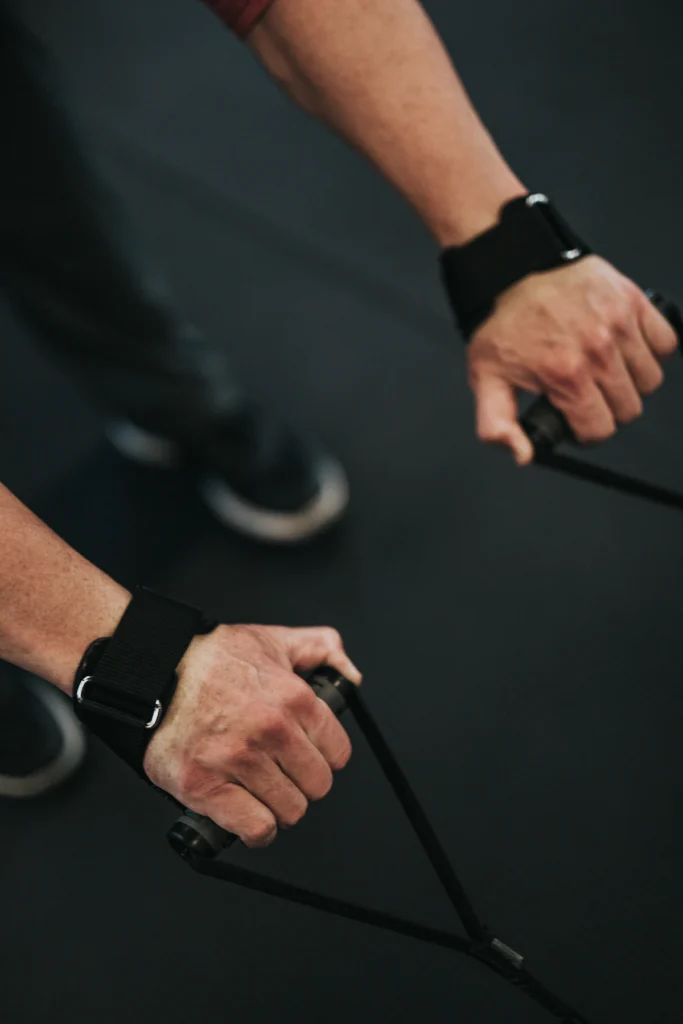
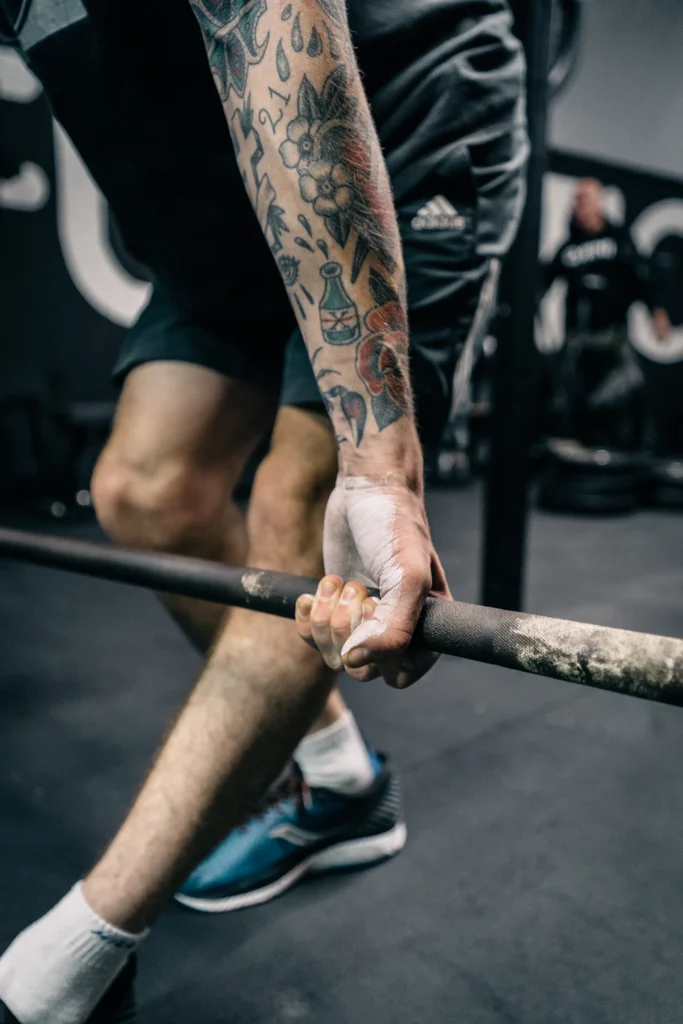
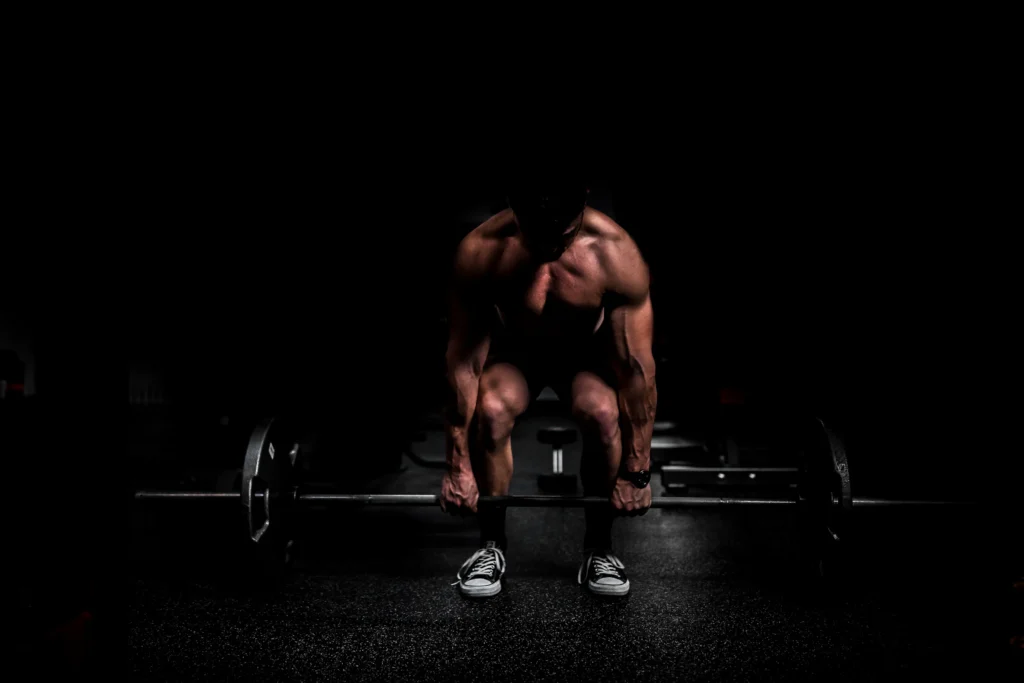
Our closed loop lifting straps are sewn in the Oath and Oak Global factory for brands that sell to weightlifting clubs, CrossFit gyms and athletes who snatch and clean.
They are short straps sewn into a single fixed loop. The lifter slips a hand through, wraps the loop around the bar and can let go almost instantly.
Also called short or quick-release straps, they are used mainly in the snatch and clean, where a lifter must be able to bail out of a missed lift safely.
| Specification | Options |
|---|---|
| Material | Nylon, polyester, cotton or genuine leather |
| Length | About 8 to 13 inches for short loops, up to about 21 inches for long loops |
| Width | About 1.5 inches |
| Wrist opening | Snug, so the strap stays in place between attempts |
| Stitching | Double stitched where the two ends overlap |
| Padding | Usually none, to keep the strap slim |
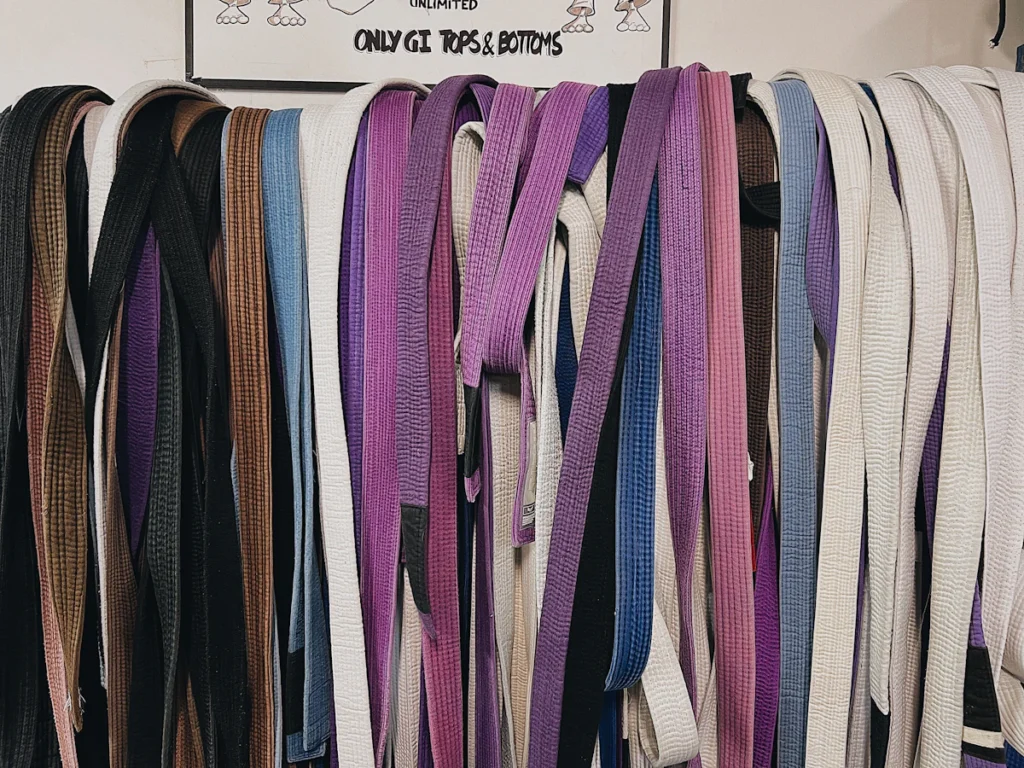
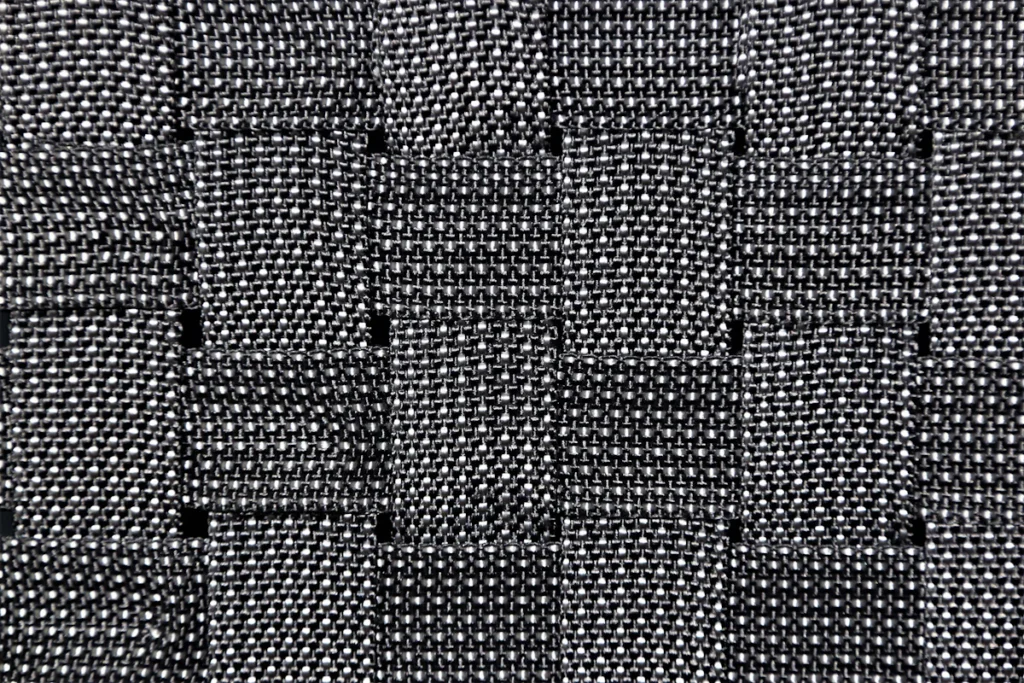
A compact nylon loop that sits close to the wrist and releases fast, the classic weightlifting club strap.
A longer loop that wraps more of the bar for heavier pulls while keeping the quick-release design.
Soft cotton that breaks in over time and holds well with chalk, a comfortable option for newer lifters.
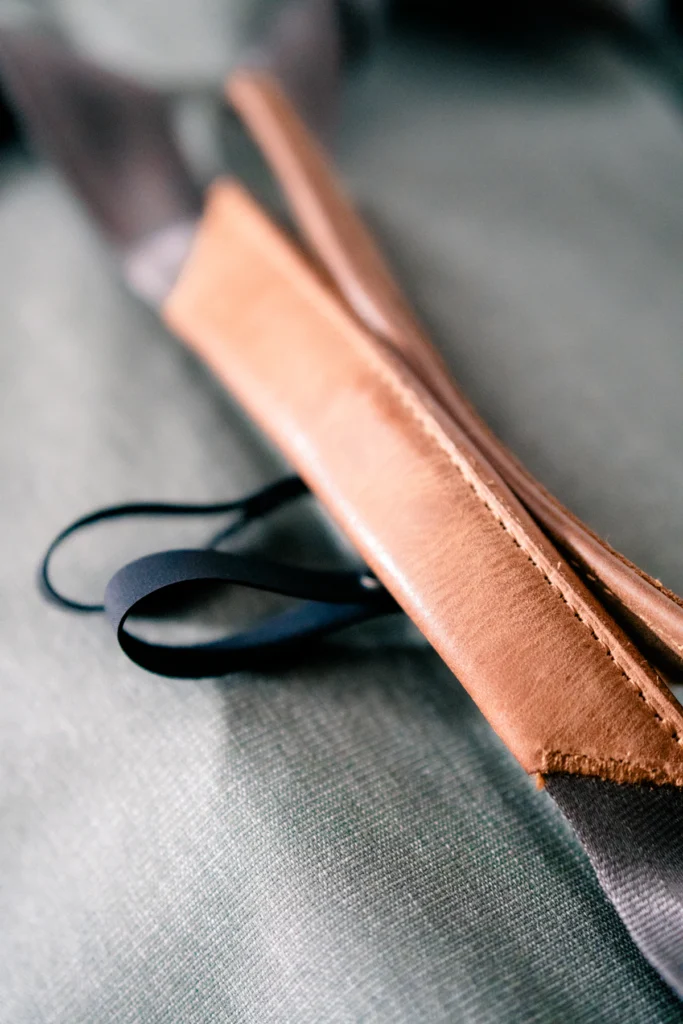
Genuine leather that grips firmly yet lets go easily, a favorite for snatch and clean pulls.
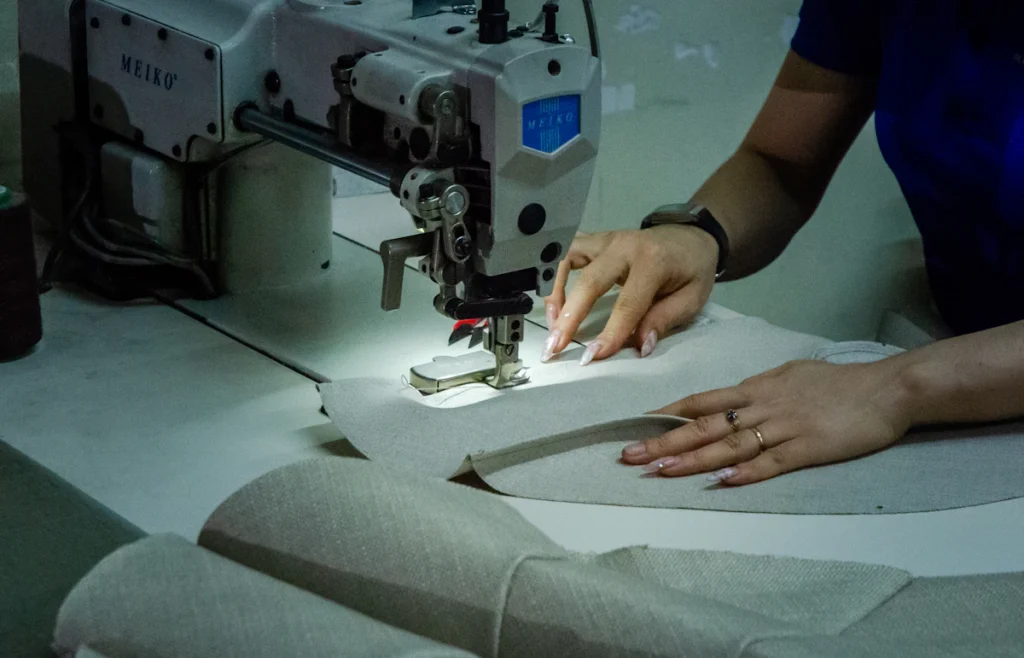
At Oath and Oak, one strip of webbing or leather is cut to length and its two ends are overlapped and sewn, creating a continuous loop with no loose tail.
The overlap is the only load point, so stitch density there decides strength. Lasso, figure 8 and padded formats are listed in our full lifting straps range.
Weightlifting clubs and coaches often order in club colors, so color and name printing matter as much as the logo.
| Element | Customization Options |
|---|---|
| Logo | Woven label, silicone print, or embossing on leather |
| Colors | Webbing in club or brand colors |
| Names | Printed athlete or club name on the strap |
| Thread | Contrast stitching at the overlap |
| Packaging | Paired polybag or header card |
More branding and packaging routes are listed on our customization page.
Short loops pack small, so a pair fits a slim polybag or a header card bag for hanging displays in gyms and club shops.
UPC or FNSKU labels are applied for online sales, and team orders can be bagged and labeled per athlete.

Short loops let go quickest, while longer loops give a firmer hold for deadlifts and rows.
A snug opening keeps the strap on the wrist after a release, so customers are not chasing it on the floor.
New nylon can feel slick, so brands selling to beginners often choose textured webbing or cotton.
You test release speed, loop fit on the wrist and how securely the strap holds a chalked bar, then sign off the sample.
Production matches every pair to that sample and checks each lot against it. New loop designs go through our product development steps first.
Alongside our standard quality control process, every lot is checked for:
A lasso strap has a wrist loop and a long tail, while a closed loop has no tail at all.
| Feature | Closed Loop | Lasso |
|---|---|---|
| Release | Lets go almost instantly | Unwinds a little slower |
| Hold on the bar | Less lock-down | Firmer, wraps several times |
| Typical lifts | Snatch, clean and high pulls | Deadlifts, rows and pulldowns |
| Customer | Weightlifters and CrossFit athletes | General gym and powerlifting customers |
| Size on the wrist | Compact | Longer and bulkier |
Brands that sell oly lifting straps alongside lasso straps cover weightlifting clubs and general gyms with one strap line.
MOQ and timing depend on material, loop length, printing and packaging, and Oath and Oak confirms both in your quote.
Clubs often order Olympic lifting straps in team colors, so list colors, names and quantities in the form. Completed orders go out by air or sea freight.
Still have a question?
Send your product details for a quote, or reach Oath and Oak through the contact page.
Very short loops may not wrap enough of the bar for heavy pulls. Offering a longer loop as a second length lets customers choose between faster release and a firmer hold.
Yes, longer loops work for deadlifts and rows, but they give less lock-down than lasso or figure 8 straps. Most customers keep closed loops for the Olympic lifts and pulls.
Usually not. Padding adds bulk and can press on the back of the wrist in overhead positions, so most closed loops stay unpadded and slim for snatches and jerks.
A mid-length loop is a safe start. It wraps the bar enough to feel secure while still releasing quickly, and lifters can move to shorter loops as their technique improves.
That depends on material and use. Nylon loops resist abrasion well, cotton wears faster with daily training, and in both cases the stitching at the overlap decides the strap’s life.