
Our dip belt is built in the Oath and Oak Global factory for fitness brands, gyms and online sellers that want a weighted dip and pull-up belt under their own name.
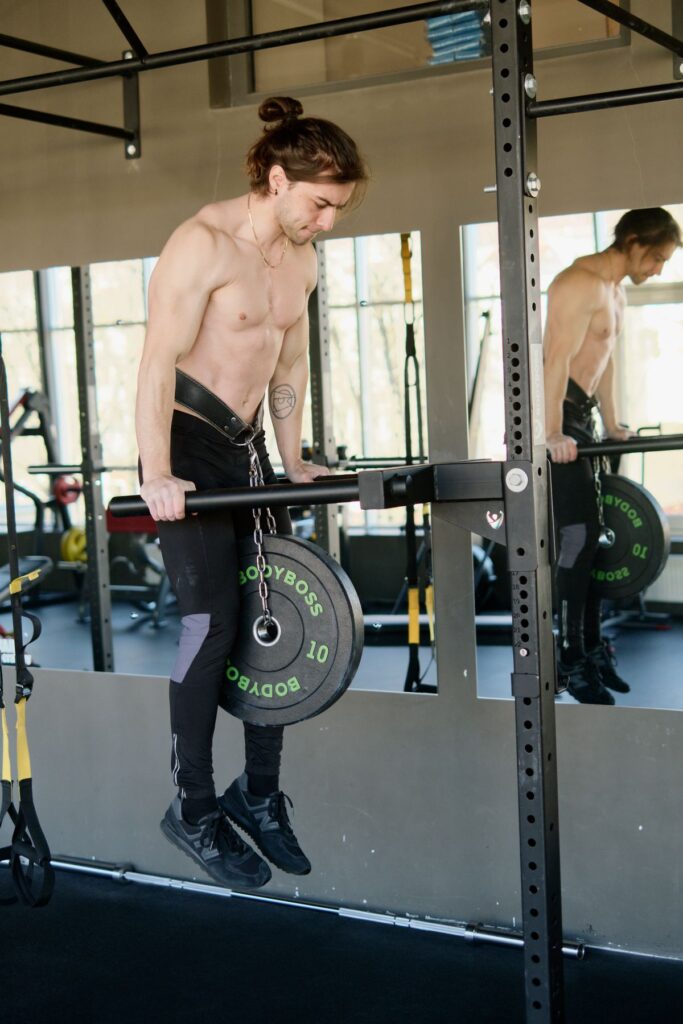
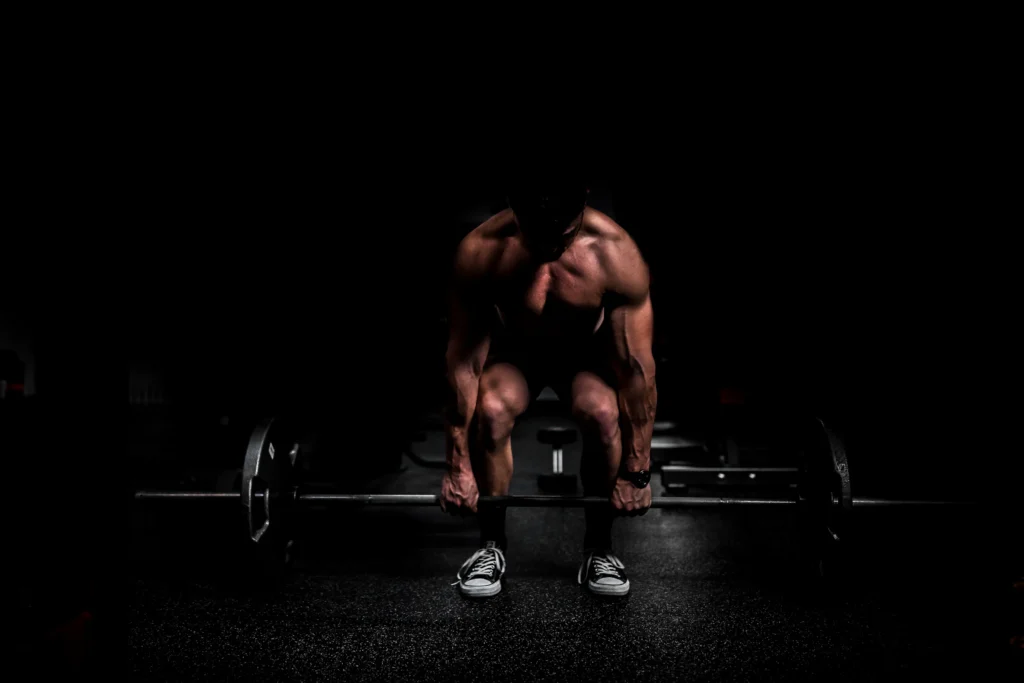
Listed online as a weightlifting belt with chain, it lets a lifter hang weight plates from the hips for weighted dips, pull-ups and chin-ups, with the chain running between the legs.
It gives no back support. Its job is to carry load comfortably, so padding, attachment strength and chain length matter more than stiffness.
| Specification | Options |
|---|---|
| Belt body | Nylon webbing, neoprene or genuine leather, padded at the back |
| Belt length | About 28 to 33 inches |
| Back panel | Widened to about 4 to 6 inches |
| Chain | Steel chain, about 26 to 48 inches long |
| Hardware | Steel D-rings and locking carabiners |
| Extras | A third carabiner or an extra D-ring |
| Colors | Black, brand colors or camo prints |
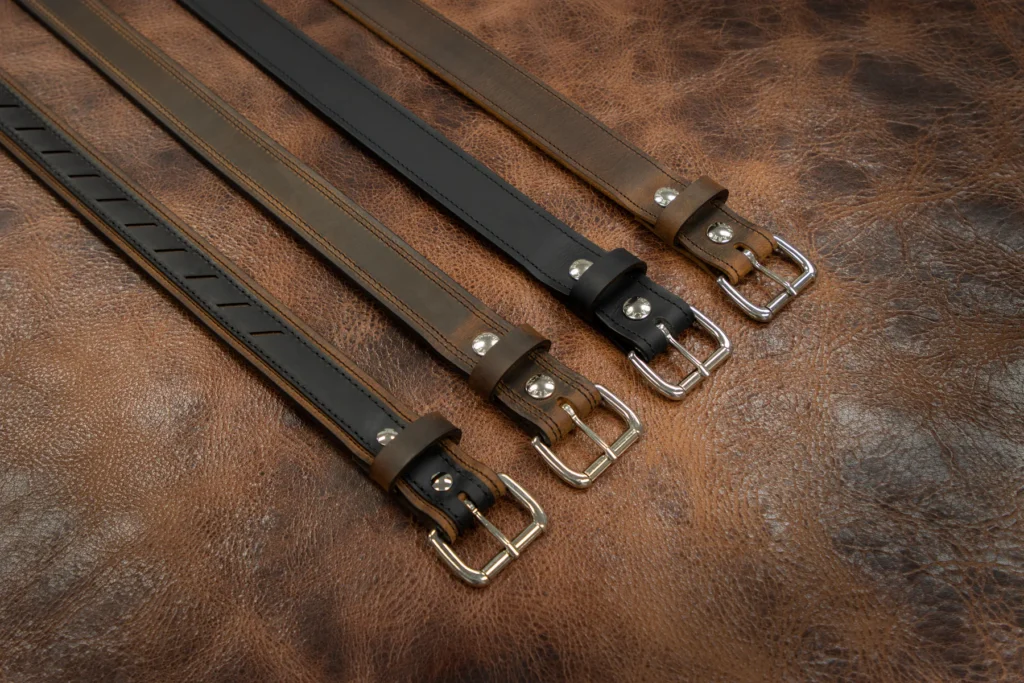
A tough webbing body with a padded back and a steel chain, the everyday version most gyms stock.
A shaped neoprene body that wraps the hips softly, chosen by brands that lead on comfort.
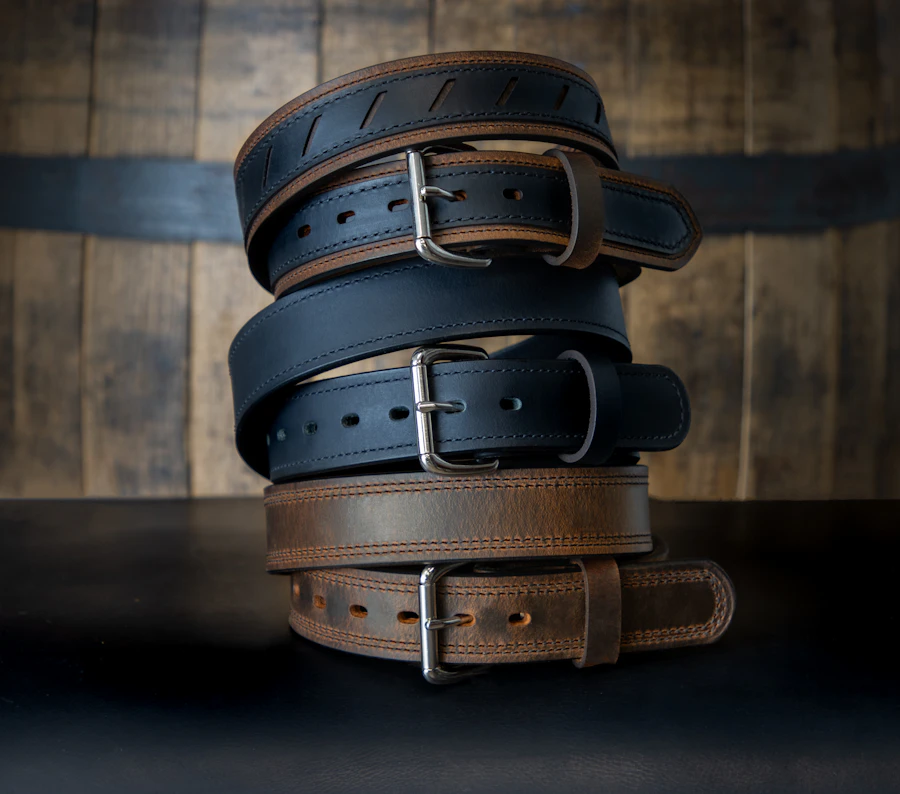
Genuine leather with a suede lining and a heavy chain, a natural match for a leather belt collection.
A sized belt that fastens with hook-and-loop or a buckle like a lifting belt, then carries the chain.
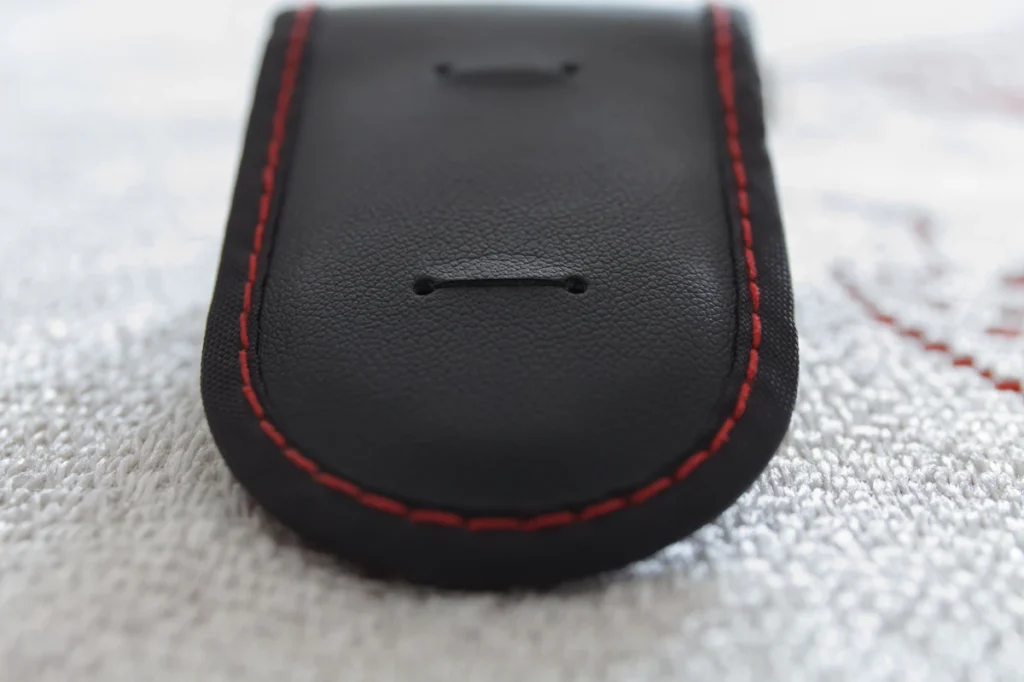
Load runs from the plate through the chain and carabiners into steel D-rings sewn into the belt ends, so those joints get the heaviest stitching on the product.
At Oath and Oak, D-ring tabs are reinforced and bar tacked, and the back panel spreads pressure across the hips. Leather builds use the materials of our leather weightlifting belt.
The wide back panel gives your logo plenty of room, and the hardware and binding can carry your colors too.
| Element | Customization Options |
|---|---|
| Logo | Embroidery, woven label, PVC patch or silicone print, or embossing on leather |
| Body and thread | Webbing, neoprene and stitching in your palette |
| Binding | Matching or contrast edge binding |
| Chain and carabiners | Black or silver finish |
| Tags | Size, care and load-rating label sewn inside |
Packaging, inserts and other branding routes are on our customization page.
The chain is coiled inside the folded belt and bagged, so metal never rubs against printed panels during shipping.
Polybags, branded drawstring pouches or retail boxes are available, with UPC or FNSKU labels and master cartons packed for retail or Amazon stock.
A longer chain lets plates hang lower and clear the knees, while a shorter chain reduces swing on pull-ups.
A wider, padded back spreads load across the hips, which customers notice most with heavy plates.
Two carabiners suit plates, while a third makes kettlebells and mixed loads easier to hang securely.
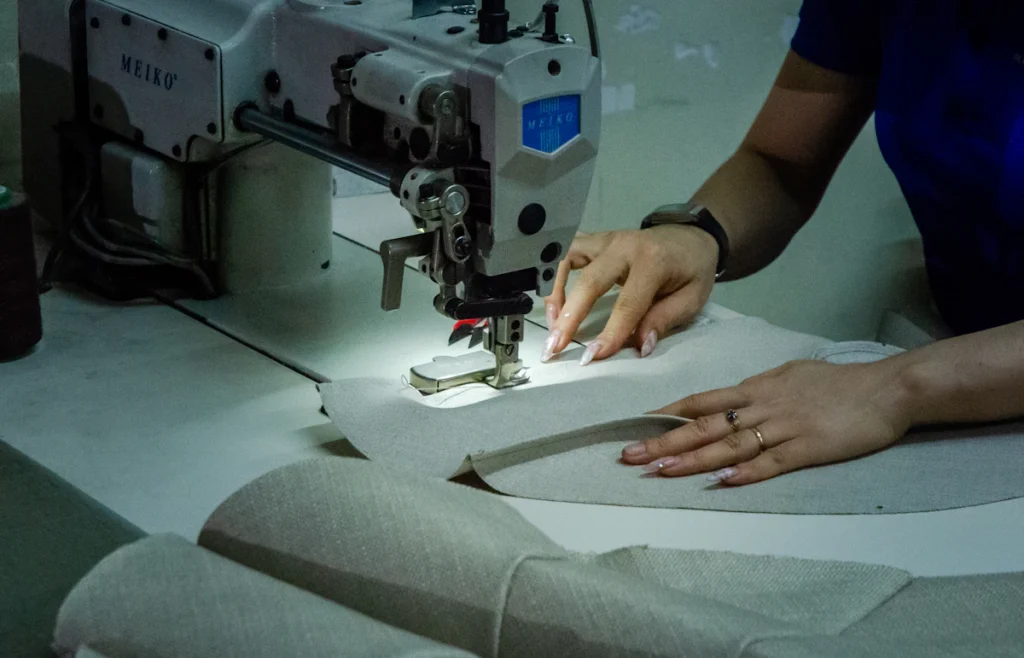
You check the padding, chain length, carabiner action and logo placement on the sample, then sign off the materials and hardware.
Production follows that signed-off sample for every belt, and each lot is compared with it before packing. A new belt design begins with our product development process.
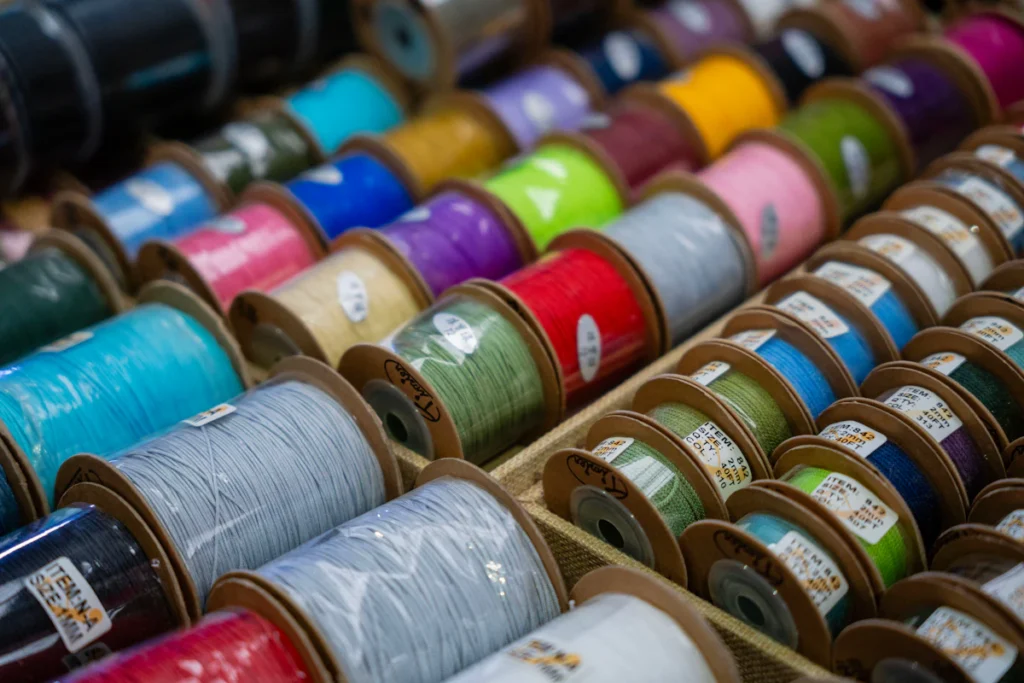
These checks run alongside our standard quality control process, focused on the parts that carry weight:
A chain belt clips around the hips with the chain itself, while a strap style is sized and fastened like a lifting belt.
| Feature | Chain Style | Strap Style |
|---|---|---|
| Sizing | One size fits most | Sized to the waist |
| Fastening | Clipped through the chain | Hook-and-loop or buckle |
| Adjustment | Chain length changed at the carabiner | Fit changed at the strap |
| Stock-keeping | Fewer SKUs to hold | One SKU per size |
| Typical buyer | Gyms and general training | Brands selling sized accessory lines |
Shoppers type phrases like chain belt weightlifting into marketplace search, so name the chain clearly in your listing title.
MOQ and timing depend on the body material, chain length, hardware finish and packaging, and Oath and Oak confirms both in your quote.
Dipping belts are often added to an existing belt line, so send your colors, chain choice and artwork through the form. Belts are shipped by air or sea freight.
Still have a question?
Send your product details for a quote, or reach Oath and Oak through the contact page.
Publish only a rating your brand has tested, because figures on the market range from a few hundred pounds to far higher. We build to the chain, carabiner and stitching spec you approve and supply samples for testing.
Yes. Customers also use it for hip belt squats on a platform or machine, so a longer chain and a wide padded back make the product more versatile and easier to sell.
Yes, in most designs. The chain clips on with carabiners at both ends, so customers can remove it, change its length or replace it without returning the whole belt.
Add neoprene flaps over the chain and carabiners. They stop fabric getting pinched between metal parts, which removes a common complaint in product reviews for a small added cost.
Match the gauge to the load rating you plan to publish. Quarter-inch steel chain is a common choice, and heavier chain adds weight to both the product and the shipping carton.